
Improve Your Employee Onboarding Process In 3 Simple Steps
The employee onboarding process is a vital step when hiring new workers. It’s the procedure they go through to embed them into your company. A good onboarding process helps them get up to speed quickly without hampering your business’s productivity. On the flip side, an inefficient onboarding process does the opposite and can drag your company down.
It’s a business area that needs your attention, so here are three simple steps to improve onboarding now and forever:
Step 1: Send Out An Employee Handbook
When you’ve hired a new employee, the onboarding process should start before their first day. It all begins with an employee handbook - this is their version of the Bible; it should give them all the information they need about working for your company. Key things to include are:
Information about how to use the handbook
Your core company values and what’s expected from the employee
All the main workplace policies
General employment information
Payroll process
How to book paid time off
And so on
Use an employee handbook builder to help with all of this, and you end up with a nice document that they can read through prior to starting their first day. It should clear up most of their common questions; a good employee handbook leaves them in a position where they’re up to speed with their role, how your business works, and more.

Step 2: Start With Training
Never thrust an employee into their full-time role straight away. A good onboarding process involves careful employee training to coach them into their role. This may involve getting to grips with your software solutions, understanding who to contact if there are problems, etc.
Even if someone has a lot of experience, they’ll benefit from simple training to get up to speed. It’s far more productive to focus on training now than to deal with correcting mistakes in the employee’s first few weeks.
Step 3: Introduce Shorter Days
Again, don’t throw your employees into the deep end the moment they join your company. Spend a few days or weeks working on their training - and make these days short. Perhaps they only come in for a couple of hours to complete a training course for their first week. Maybe they’re only doing three out of five days for the first couple of weeks as they train.
The idea with this is to slowly acclimatize your employees to their new workplace. They get used to how everything works - and they also don’t feel overrun by training. You slowly start increasing their workload until the training is complete, upon which they should be ready to work full-time.
Following these steps for your employee onboarding process will help new hires fit in at work and slip into your way of doing things without causing complications. It’s mainly a case of slowly encouraging and teaching new employees how your business works, instead of expecting them to catch on right away. In the long term, it pays to be patient now, as you’ll see the pay-off later.
Transform your sales approach with expert tips on outbound sales. Propel your growing business to new heights with actionable insights and strategies.

Uncover the benefits of workplace safety investments. Explore how prioritizing safety can improve employee morale and drive financial returns for your business.
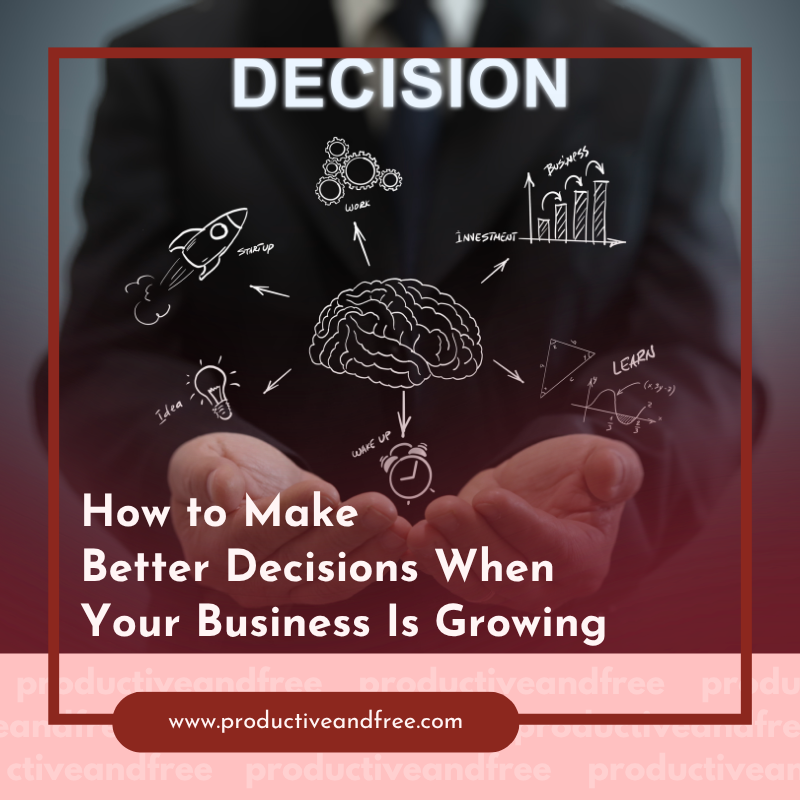
Discover effective strategies for making informed decisions as your business expands. Learn to navigate growth challenges with confidence and clarity.
Enhance your business efficiency by streamlining operations with innovative cloud-based tools designed for seamless collaboration and productivity.
Ready to elevate your small business? Learn simple AI steps you can start using today to enhance productivity and drive growth effortlessly!
Discover essential tips for new CNC machine shop owners about end mills. Learn how to choose the right tools for precision and efficiency in your projects.
Unlock the secrets to sustainable success with The Green Business Blueprint. Learn to incorporate eco-friendly practices into your daily operations today!
Unlock the potential of your kitchen! Learn how investing in the right equipment can elevate your business efficiency and improve overall performance.
Learn why integrating a smooth online store is crucial for boosting your email list growth. Transform your business strategy and engage customers like never before!
Discover how local sports and fitness hubs can foster a culture of emergency readiness, ensuring safety and preparedness for all participants.

Learn how to overcome operational challenges with cutting-edge smart hardware solutions that promote industrial continuity and streamline processes.

Unlock the secrets to building a reliable online payment system for high-risk merchants. Enhance security and streamline transactions effortlessly!
Ready to reclaim your time? Learn how to automate your business effectively and focus on what truly matters. Start your journey to efficiency today!

Uncover the hidden signs of ant infestations that pest control professionals notice. Equip yourself with knowledge to keep your home ant-free!
Is your service business struggling with call response time? Explore essential insights and strategies to improve efficiency and delight your customers!

Uncover the secrets to hosting a corporate event that stands out. Engage your audience and ensure your event is remembered long after it concludes.

Ensure your sports field project is in good hands! Discover the 7 essential questions to ask before hiring a contractor for a successful build.
Transform your service business with automation! Learn effective strategies to enhance productivity and free up time for growth and innovation.
Discover how to boost productivity in your service business by automating key processes. Streamline operations and focus on what truly matters!
Learn to master team work hours and boost productivity. Transform your team's efficiency and collaboration for outstanding results!
Transform your life with essential software tools designed for intentional lifestyle planning. Invest in your well-being and embrace a healthier, happier you!
Struggling to keep up? Learn the 7 signs that signal when it's time for entrepreneurs to bring in a virtual assistant and lighten the workload.

Discover the essential steps to launch your career in manufacturing engineering, from education requirements to gaining practical experience in the field.

Protect your business with top security tools! Explore our guide to the best solutions for safeguarding your data and ensuring peace of mind.

Success in business requires more than just capital. Dive into the vital elements that foster growth and resilience in your entrepreneurial journey.

Discover how to plan a landscaping project that maximizes your ROI. Learn expert tips and strategies to enhance your outdoor space and increase property value.

Equip your small construction project for success! Explore our guide on selecting the best tools and machinery to ensure smooth and efficient operations.

Transform your property development approach with efficiency-boosting techniques. Explore tips to streamline operations and achieve successful project delivery.
Elevate your business efficiency by making informed equipment choices. Explore our guide to optimize performance and maximize your resources effectively.
Share in the comments below: Questions go here
 Productive and Free
STRATEGIC TIME-SAVING TEMPLATES TO HELP YOU GROW YOUR DREAM BUSINESS
Learn the vital role of strong documentation in boosting business security. Explore how it safeguards data, streamlines processes, and mitigates risks effectively.