
Business Inventory Management Tips For Dummies
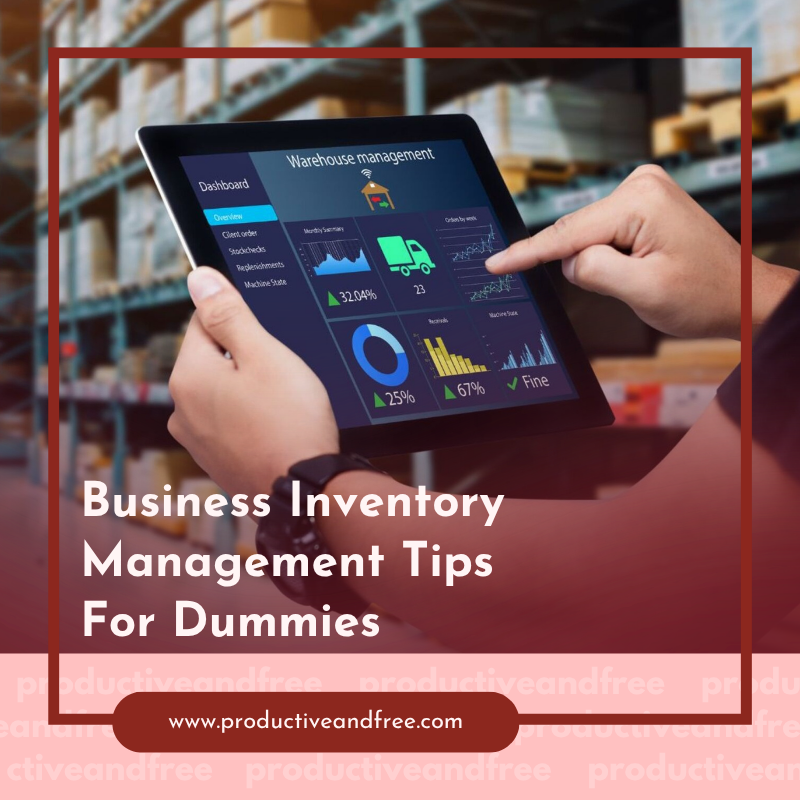
Managing your business's inventory can be a challenging process when there are so many products going in and out of your enterprise all the time. Keeping track of them all and making sure you have everything you need to have is difficult. If your inventory is too small, it will lead to stockouts and therefore lost sales. If it's too big, you spend way too much on storage and you may encounter waste.
In this guide, we take a look at some of the basics that you need to understand if you're managing a business inventory. Here's what you need to know.

Choose the Correct Tracking Method
You want to start by choosing the right tracking method for your business. A lot of companies use spreadsheets or basic tools, but these days there is software that does a lot of the legwork for you so you can avoid basic errors. If you want to invest in inventory management software or a point of sale system that links to it, then do so. The prices of these systems tend to be relatively low compared to the benefits that they offer. Some bespoke options may be expensive, but there are generic, cheaper versions that you may also want to explore.
When you have real tracking, it reduces the risk of stock outs. You can manage demand and figure out how many of a particular SKU or item you'll need in the future.
Invest in the Right Storage Infrastructure
No inventory management strategy works well if your physical storage setup is letting you down. Disorganized or unsuitable racking can lead to damaged stock, wasted space, and slower picking times, undermining the efficiency gains you're trying to achieve.
For businesses handling long, bulky, or irregularly shaped items such as timber, pipes, or sheet materials, standard shelving simply isn't designed for the job. Cantilever racking solutions provide open, adjustable arms that make these items easier to store, access, and organize, helping create a more efficient and manageable warehouse. A well-planned storage system also improves workflow, making it easier for staff to locate and retrieve inventory quickly.
Add Backup Inventory

While you might have a primary warehouse, it is also a good idea to have backup inventory in self storage. This gives you more flexibility and room to manoeuvre if conditions change. Sometimes you'll have excess of a particular item and you won't have anywhere to keep it. Other times you'll forecast that demand will be high and you'll need extra space for additional SKU lines, perhaps because of a seasonal event like Christmas. When you have self-storage, you have a flexible additional option you can use beyond your main warehouse.
Use Simple Key Techniques
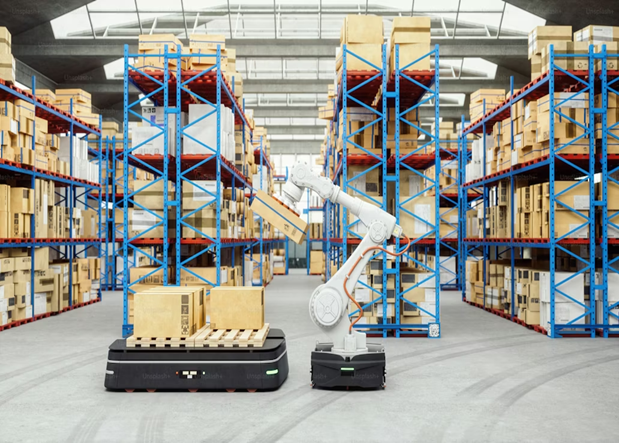
When managing stock, you'll want to use simple key techniques like first in first out (FIFO). This involves selling the oldest stock first and then working your way forwards through time. The idea here is to avoid obsolescence and prevent products right at the back of your warehouse from becoming damaged. You also want to categorize items by value and importance using ABC analysis:
A refers to high-value, low-quantity items, which comprise the majority of your sales.
B relates to moderate-value items with standard controls.
C relates to low-value, high-quantity items, which can live with looser controls.
You may also want to look into just-in-time options. The goal here is to order and receive goods when they're needed so that your warehouse capacity isn't being stacked out all the time. This approach is riskier for beginners, but it's something that a lot of professional companies do when they really want to improve their margins. However, you need to have a robust supply chain in place first before you attempt this.






















Share in the comments below: Questions go here

Discover the top 5 signs that your hiring process may be driving away talented candidates. Improve your recruitment strategy and attract the best talent today!