
Alternative Business Lending Explained: Affordable Business Loans and Funding Systems for Small Businesses
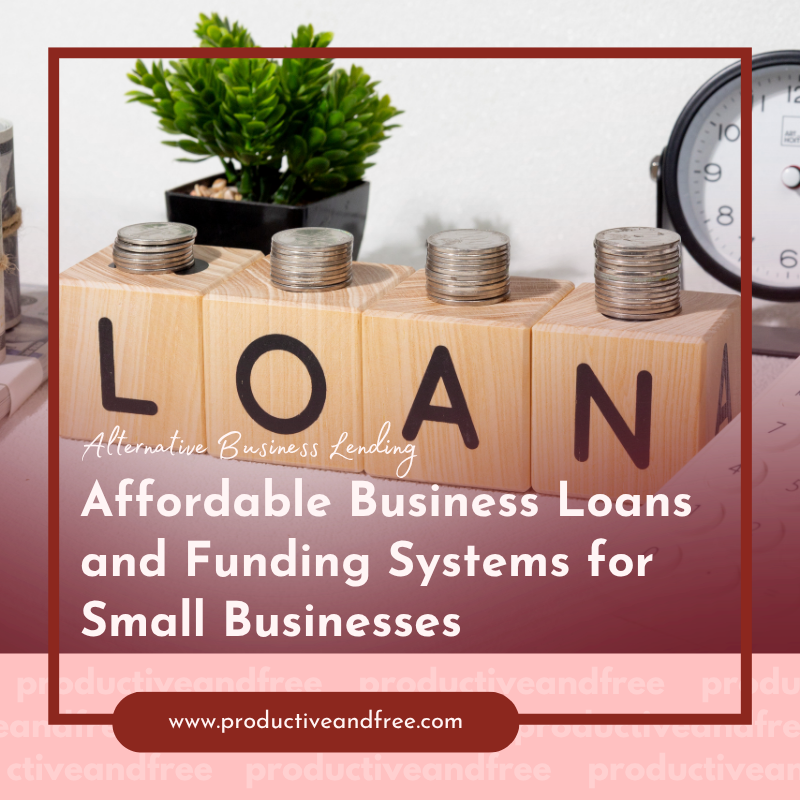
Access to capital has always been one of the biggest challenges for small businesses. Traditional bank loans, while reliable, often come with strict requirements, lengthy approval processes, and limited flexibility. That’s where alternative business lending comes in—offering faster, more accessible funding solutions tailored to modern business needs.
In this guide, we’ll break down what alternative business lending is, how it works, and how small businesses can use it to build smarter funding systems.
What Is Alternative Business Lending?
Alternative business lending refers to financing options that exist outside traditional banks and credit unions. These lenders typically use technology-driven processes to evaluate applications, making funding more accessible—especially for startups or businesses with limited credit history.
Instead of relying solely on credit scores, many alternative lenders consider:
● Business revenue
● Cash flow trends
● Transaction history
● Industry performance
This broader evaluation model opens the door for businesses that might otherwise struggle to secure funding.
Why Small Businesses Are Turning to Alternative Lending
Traditional financing isn’t always designed for the speed and flexibility modern businesses require. Alternative lending fills that gap by offering:
1. Faster Approvals
Many lenders provide decisions within 24–72 hours, compared to weeks or months with banks.
2. Flexible Requirements
Lower credit score thresholds and fewer collateral demands make funding more accessible.
3. Diverse Funding Options
From short-term loans to revenue-based financing, businesses can choose what fits their needs.
4. Streamlined Applications
Most applications are fully online, reducing paperwork and administrative burden.

Common Types of Alternative Business Loans
Understanding your options is key to choosing the right funding system.
Term Loans
A fixed amount of capital repaid over a set period with interest. Ideal for larger investments or expansion.
Business Lines of Credit
Flexible funding that allows you to borrow only what you need and pay interest on the amount used.
Merchant Cash Advances (MCA)
A lump sum repaid through a percentage of daily sales—best for businesses with consistent revenue.
Invoice Financing
Borrow against unpaid invoices to improve cash flow without waiting for customers to pay.
Equipment Financing
Loans specifically used to purchase machinery, tools, or technology.
Building a Smart Funding System
Instead of relying on a single loan, successful businesses create a funding system—a strategic combination of financing options that supports long-term growth.
Here’s how to build one:
1. Match Funding to Purpose
Use short-term financing for immediate needs (like inventory) and longer-term loans for major investments.
2. Maintain Cash Flow Visibility
Track income and expenses closely to avoid over-borrowing.
3. Diversify Funding Sources
Don’t rely on just one lender. Having multiple options reduces risk.
4. Plan for Repayment
Ensure your revenue can comfortably cover repayment schedules.
Pros and Cons of Alternative Lending
Advantages
● Quick access to capital
● Easier qualification requirements
● Flexible repayment structures
● Wide variety of loan products
Disadvantages
● Higher interest rates compared to traditional loans
● Shorter repayment periods
● Potential for hidden fees if not carefully reviewed
When Should You Consider Alternative Lending?
Alternative lending is especially useful when:
● You need fast access to funds
● Your credit score doesn’t meet bank requirements
● You’re a startup or growing business
● You want flexible repayment options
However, it’s important to evaluate terms carefully and compare multiple lenders before committing.
Tips for Choosing the Right Lender
Not all lenders are created equal. Before applying, consider:
● Transparency: Are fees and terms clearly outlined?
● Reputation: Check reviews and ratings
● Flexibility: Do repayment terms align with your cash flow?
● Support: Is customer service responsive and helpful?
Doing your due diligence can save you from costly mistakes.
Final Thoughts
Alternative business lending has transformed how small businesses access capital. By offering faster, more flexible financing options, it empowers entrepreneurs to grow, adapt, and compete in today’s fast-paced market.
The key isn’t just finding funding—it’s building a system that supports your business at every stage. With the right approach, alternative lending can become a powerful tool for sustainable growth rather than just a short-term solution.


























Share in the comments below: Questions go here
Transform your sales approach with expert tips on outbound sales. Propel your growing business to new heights with actionable insights and strategies.