
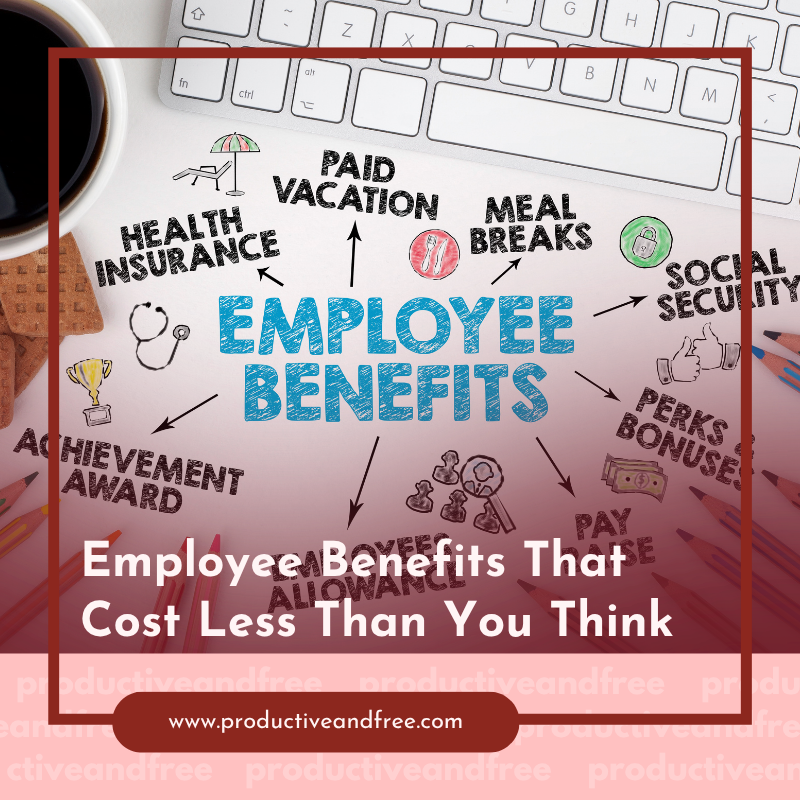
Employee Benefits That Cost Less Than You Think
As a business owner, you're likely all too familiar with scrutinising every line, every expense, every single cent moving through your company. And when you need to make cuts, there are a few places that business owners tend to move towards first. One such area is the employee benefits package on offer.
Sure, perks and benefits are essential for getting new team members on board and retaining the employees you need. But the thing is, when you cut them, you're signalling to your employees that you don't really appreciate them or that they don’t deserve the extras they have come to expect due to working for you.
But the thing is, not all perks have to cost you money; there are actually some that are more cost-effective than you might realise.

Retirement Matching
Employer 401(k) matching reduces the business FICA and federal unemployment tax base proportionately. This can offset the cost of the match. Let's say you have a 3% match on a $50,000 salary; this is roughly $1,500, but payroll tax savings on the reduced gross figure will recover a portion of that outlay. If you match to a ceiling of 4 to 5,% the business will be competitively matched against larger employers without a disproportionate per-employee cash cost. Why does this matter? If you think about the cost of replacing an employee, currently between $3,000 and $8,000, the $1,5000 annual benefit for your match means that improving retention pays for itself against that hiring cost. So it's worth investing in this area when you run the numbers.
Structured Pre-Tax Transportation
The most significant transportation benefit beyond computer programs is the employer-arranged vehicle access structures through payroll. Seeing salary sacrifice car scheme examples can show you the real benefit for employees for this people. In some cases, these examples show you can reduce the money cost of car ownership by up to 40%. Of course, this will vary from company to company, but it's a worthwhile perk to be looking into as more US-based companies model the type of incentive.
Dependent care FSAs
Employer-sponsored FSAs allow employees up to $5,000 pre tax annual for qualifying child care or elder care costs. And this type of contribution can reduce taxable wages, thus reducing the employer's payroll tax base too. And for employees with young children, this can be one of the most significant benefits of their employment with you and supports retention scores for the company.
Health Reimbursement Arrangements
ICHRA and QSEHRA arrangements allow small employers to contribute toward employee health costs without managing a group plan; contributions are tax-deductible, and this is for the business, and the employee gets to set their own coverage independently.
For employers, this means no carrier relationships to handle, no annual renewal negotiations and minimum participation requirements. The cost is simply whatever the employee decides to contribute, making the entire arrangement much more scalable for smaller outfits that may not have the right number of employees for group plans.

Uncover the benefits of workplace safety investments. Explore how prioritizing safety can improve employee morale and drive financial returns for your business.
Discover effective strategies for making informed decisions as your business expands. Learn to navigate growth challenges with confidence and clarity.
Enhance your business efficiency by streamlining operations with innovative cloud-based tools designed for seamless collaboration and productivity.
Ready to elevate your small business? Learn simple AI steps you can start using today to enhance productivity and drive growth effortlessly!
Discover essential tips for new CNC machine shop owners about end mills. Learn how to choose the right tools for precision and efficiency in your projects.
Unlock the secrets to sustainable success with The Green Business Blueprint. Learn to incorporate eco-friendly practices into your daily operations today!
Unlock the potential of your kitchen! Learn how investing in the right equipment can elevate your business efficiency and improve overall performance.
Learn why integrating a smooth online store is crucial for boosting your email list growth. Transform your business strategy and engage customers like never before!
Discover how local sports and fitness hubs can foster a culture of emergency readiness, ensuring safety and preparedness for all participants.
Learn how to overcome operational challenges with cutting-edge smart hardware solutions that promote industrial continuity and streamline processes.
Unlock the secrets to building a reliable online payment system for high-risk merchants. Enhance security and streamline transactions effortlessly!
Ready to reclaim your time? Learn how to automate your business effectively and focus on what truly matters. Start your journey to efficiency today!

Uncover the hidden signs of ant infestations that pest control professionals notice. Equip yourself with knowledge to keep your home ant-free!
Is your service business struggling with call response time? Explore essential insights and strategies to improve efficiency and delight your customers!

Uncover the secrets to hosting a corporate event that stands out. Engage your audience and ensure your event is remembered long after it concludes.
Ensure your sports field project is in good hands! Discover the 7 essential questions to ask before hiring a contractor for a successful build.
Transform your service business with automation! Learn effective strategies to enhance productivity and free up time for growth and innovation.
Discover how to boost productivity in your service business by automating key processes. Streamline operations and focus on what truly matters!
Learn to master team work hours and boost productivity. Transform your team's efficiency and collaboration for outstanding results!
Transform your life with essential software tools designed for intentional lifestyle planning. Invest in your well-being and embrace a healthier, happier you!
Struggling to keep up? Learn the 7 signs that signal when it's time for entrepreneurs to bring in a virtual assistant and lighten the workload.

Discover the essential steps to launch your career in manufacturing engineering, from education requirements to gaining practical experience in the field.

Protect your business with top security tools! Explore our guide to the best solutions for safeguarding your data and ensuring peace of mind.

Success in business requires more than just capital. Dive into the vital elements that foster growth and resilience in your entrepreneurial journey.

Discover how to plan a landscaping project that maximizes your ROI. Learn expert tips and strategies to enhance your outdoor space and increase property value.
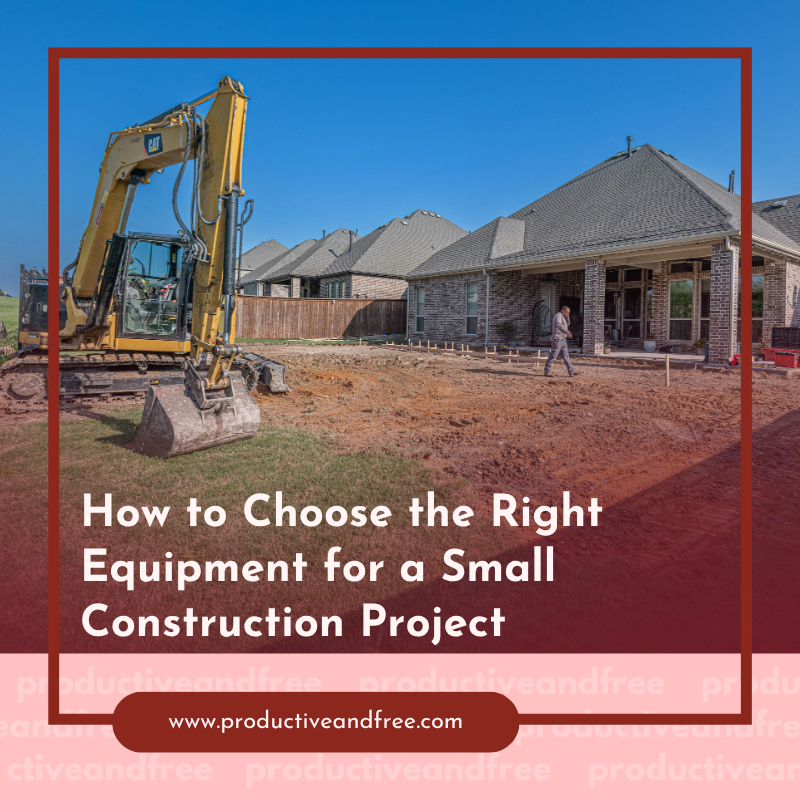
Equip your small construction project for success! Explore our guide on selecting the best tools and machinery to ensure smooth and efficient operations.

Transform your property development approach with efficiency-boosting techniques. Explore tips to streamline operations and achieve successful project delivery.
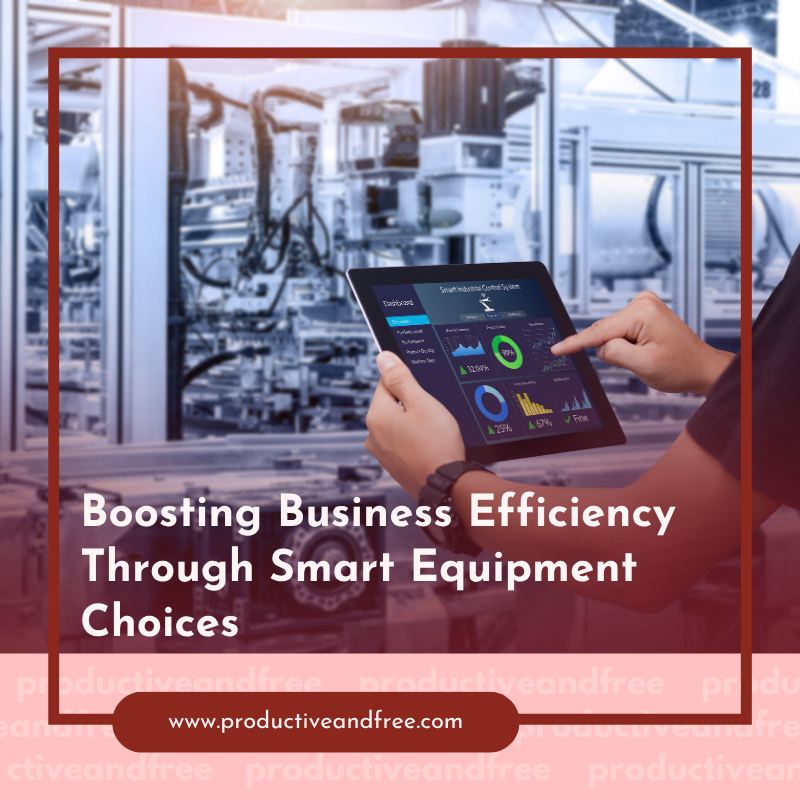
Elevate your business efficiency by making informed equipment choices. Explore our guide to optimize performance and maximize your resources effectively.

Learn how to enhance your medical practice's efficiency without compromising patient care. Explore actionable tips for a better healthcare experience.
Share in the comments below: Questions go here
 Productive and Free
STRATEGIC TIME-SAVING TEMPLATES TO HELP YOU GROW YOUR DREAM BUSINESS
Transform your sales approach with expert tips on outbound sales. Propel your growing business to new heights with actionable insights and strategies.