
The Pros and Cons of Using AI for Recruitment
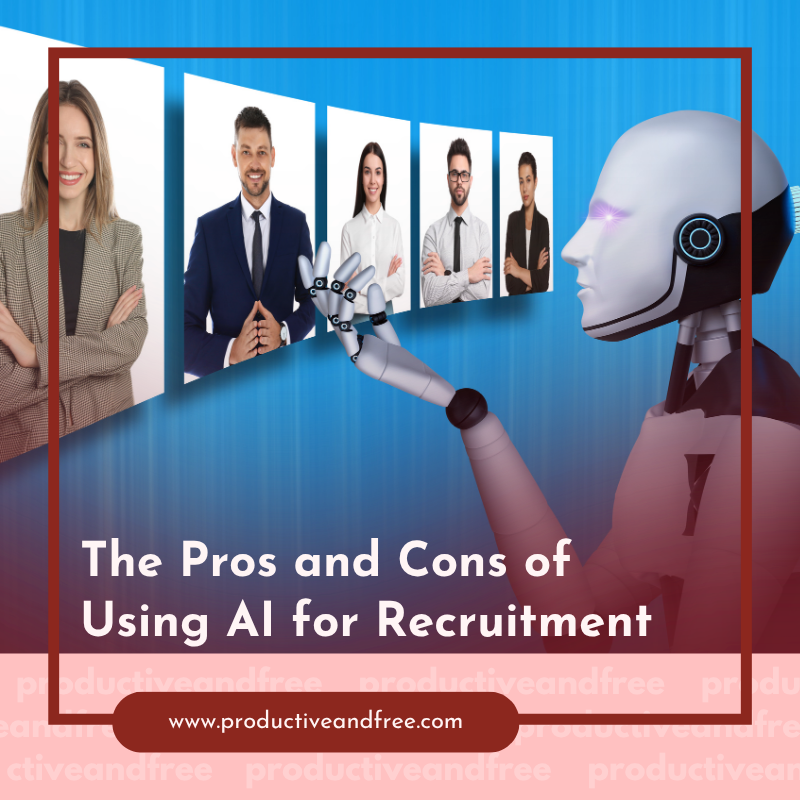
It seems like artificial intelligence is really having its moment across many industries, including recruitment.
Recruitment is an important process for any business, and just like everything else to do with technology, AI is being used within the process of recruitment for several reasons. From improving scheduling to accelerating resume screening. AI tools can save teams a lot of time and energy, which is better focused elsewhere.
Pros of AI in Recruitment
There are plenty of advantages that come from using AI as part of your recruitment process. Here are a few of those reasons why it’s worth incorporating into this part of the business.
Efficiency and speed
AI excels at high-volume tasks where humans struggle to keep up. Like scanning resumes for keywords and qualifications. The use of AI can be great for helping reduce the time-to-hire process and streamlining efforts to save even more resources internally.
Improving scheduling
AI chatbots and assistants help to reduce back-and-forth communication, which allows for faster interview scheduling. That’s important when time is limited and therefore needs to be utilized effectively.
Proactive sourcing
AI is a great technology when it comes to identifying passive candidates and finding the qualified individuals who have not formally applied.
Data-driven decision making
AI provides much insight into helping reduce human unconscious bias in its initial stages of recruitment. It also helps with the improvement of candidate matching.

Cons of AI in Recruitment
There are some disadvantages to AI in recruitment, though, that are important to identify and consider before incorporating this technology into your recruitment drives.
Lack of personal touch
Whilst AI is pretty clever, an over-reliance on the technology will make the recruitment process feel a little cold and robotic. That can damage the brand if you’re not careful, so it’s imperative that there are still human interactions and touchpoints happening throughout the process.
Algorithmic bias
While AI helps remove human bias, it can often perpetuate existing bias if it's being trained on historical data that reflects past hiring prejudices.
That’s why it’s imperative to ensure that the algorithm isn’t being trained on too much historical data that tells the same story of hiring talent.
Missed talent
Talking of talent, it’s sometimes the case that AI will filter out some qualified candidates, or may have a non-traditional background, or use unconventional CV formatting.
While AI can be great at combing through resumes, it’s a good idea to go through the ones they rejected, if only briefly. That way, you can spot any that may have fallen through the net and are worth taking into the next stage of the recruitment process.
High implementation costs
Integrating AI tools will require a substantial investment in software, as well as data management and training. Therefore, it’s good to have investment ready for this transition so that the full effort is made for implementing AI correctly into recruitment.
The most effective recruitment strategies are those that utilize a hybrid approach. AI is great for administrative tasks and those preliminary screenings. Human recruiters can then be used in assessing the cultural fit of hires, their emotional intelligence, and ultimately making the final decision.

Transform your sales approach with expert tips on outbound sales. Propel your growing business to new heights with actionable insights and strategies.

Uncover the benefits of workplace safety investments. Explore how prioritizing safety can improve employee morale and drive financial returns for your business.
Discover effective strategies for making informed decisions as your business expands. Learn to navigate growth challenges with confidence and clarity.
Enhance your business efficiency by streamlining operations with innovative cloud-based tools designed for seamless collaboration and productivity.
Ready to elevate your small business? Learn simple AI steps you can start using today to enhance productivity and drive growth effortlessly!
Discover essential tips for new CNC machine shop owners about end mills. Learn how to choose the right tools for precision and efficiency in your projects.
Unlock the secrets to sustainable success with The Green Business Blueprint. Learn to incorporate eco-friendly practices into your daily operations today!

Unlock the potential of your kitchen! Learn how investing in the right equipment can elevate your business efficiency and improve overall performance.

Learn why integrating a smooth online store is crucial for boosting your email list growth. Transform your business strategy and engage customers like never before!
Discover how local sports and fitness hubs can foster a culture of emergency readiness, ensuring safety and preparedness for all participants.

Learn how to overcome operational challenges with cutting-edge smart hardware solutions that promote industrial continuity and streamline processes.

Unlock the secrets to building a reliable online payment system for high-risk merchants. Enhance security and streamline transactions effortlessly!

Ready to reclaim your time? Learn how to automate your business effectively and focus on what truly matters. Start your journey to efficiency today!

Uncover the hidden signs of ant infestations that pest control professionals notice. Equip yourself with knowledge to keep your home ant-free!
Is your service business struggling with call response time? Explore essential insights and strategies to improve efficiency and delight your customers!

Uncover the secrets to hosting a corporate event that stands out. Engage your audience and ensure your event is remembered long after it concludes.

Ensure your sports field project is in good hands! Discover the 7 essential questions to ask before hiring a contractor for a successful build.

Transform your service business with automation! Learn effective strategies to enhance productivity and free up time for growth and innovation.
Discover how to boost productivity in your service business by automating key processes. Streamline operations and focus on what truly matters!
Learn to master team work hours and boost productivity. Transform your team's efficiency and collaboration for outstanding results!

Transform your life with essential software tools designed for intentional lifestyle planning. Invest in your well-being and embrace a healthier, happier you!

Struggling to keep up? Learn the 7 signs that signal when it's time for entrepreneurs to bring in a virtual assistant and lighten the workload.

Discover the essential steps to launch your career in manufacturing engineering, from education requirements to gaining practical experience in the field.

Protect your business with top security tools! Explore our guide to the best solutions for safeguarding your data and ensuring peace of mind.

Success in business requires more than just capital. Dive into the vital elements that foster growth and resilience in your entrepreneurial journey.

Discover how to plan a landscaping project that maximizes your ROI. Learn expert tips and strategies to enhance your outdoor space and increase property value.

Equip your small construction project for success! Explore our guide on selecting the best tools and machinery to ensure smooth and efficient operations.

Transform your property development approach with efficiency-boosting techniques. Explore tips to streamline operations and achieve successful project delivery.
Elevate your business efficiency by making informed equipment choices. Explore our guide to optimize performance and maximize your resources effectively.
Share in the comments below: Questions go here
 Productive and Free
STRATEGIC TIME-SAVING TEMPLATES TO HELP YOU GROW YOUR DREAM BUSINESS
Learn the vital role of strong documentation in boosting business security. Explore how it safeguards data, streamlines processes, and mitigates risks effectively.