
Some Of The Main Ways To Keep Your Business Finances In Order

If you are thinking about some of the ways you can hope to keep your business working well, the finances are always going to be a major part of this for sure. Keeping your business finances in order is less about rigid control and more about creating a system that quietly supports everything you’re trying to build. When your finances are structured well, decisions become clearer, stress reduces, and growth stops feeling like guesswork. When they aren’t, even a profitable business can feel unstable. The difference usually comes down to a handful of consistent practices applied well over time.

Start With Clear Separation
One of the most common financial missteps is blending personal and business finances. It sounds harmless at first, especially in the early stages, but it quickly creates confusion. Without a clean separation, it becomes difficult to track performance, prepare accurate reports, or even understand whether the business is truly profitable. Opening a dedicated business bank account and using it consistently is the foundation. From there, every expense, income stream, and transfer becomes easier to categorize. It also saves significant time when it comes to tax preparation, audits, or financial reviews.
Build a System for Tracking Everything
Financial clarity doesn’t come from occasional check-ins; it comes from regular visibility. That means having a reliable system in place to track income, expenses, invoices, and cash flow in real time. Accounting software has become increasingly intuitive, allowing even non-financial professionals to maintain accurate records. The key isn’t just having the tool, though - it’s using it consistently. Weekly updates are far more effective than trying to reconstruct months of activity in one sitting. A well-maintained system allows you to answer simple but crucial questions: How much is coming in? Where is it going? What patterns are emerging? Without those answers, planning becomes speculative at best.

Plan for Tax Early
Tax is one of those areas that tends to cause stress when it’s left too late. The reality is that most tax-related pressure comes from lack of preparation rather than complexity. Setting aside a portion of income for tax throughout the year can prevent sudden financial strain when deadlines approach. It turns a potentially overwhelming expense into a manageable, ongoing habit. Seeking proper tax advice for small businesses is also a smart move. Tax regulations can shift, and there are often allowances, deductions, or reliefs that go unnoticed without professional guidance. A good advisor doesn’t just help you stay compliant - they can help you structure your finances in a way that’s more efficient overall.
Create a Financial Routine
Consistency beats intensity when it comes to financial management. Rather than occasional deep dives, it’s far more effective to build a regular routine. This might include a weekly review of transactions, a monthly assessment of profit and loss, and a quarterly look at broader trends. These check-ins don’t need to take long, but they keep you connected to the financial reality of your business.

Uncover the benefits of workplace safety investments. Explore how prioritizing safety can improve employee morale and drive financial returns for your business.
Discover effective strategies for making informed decisions as your business expands. Learn to navigate growth challenges with confidence and clarity.
Enhance your business efficiency by streamlining operations with innovative cloud-based tools designed for seamless collaboration and productivity.
Ready to elevate your small business? Learn simple AI steps you can start using today to enhance productivity and drive growth effortlessly!
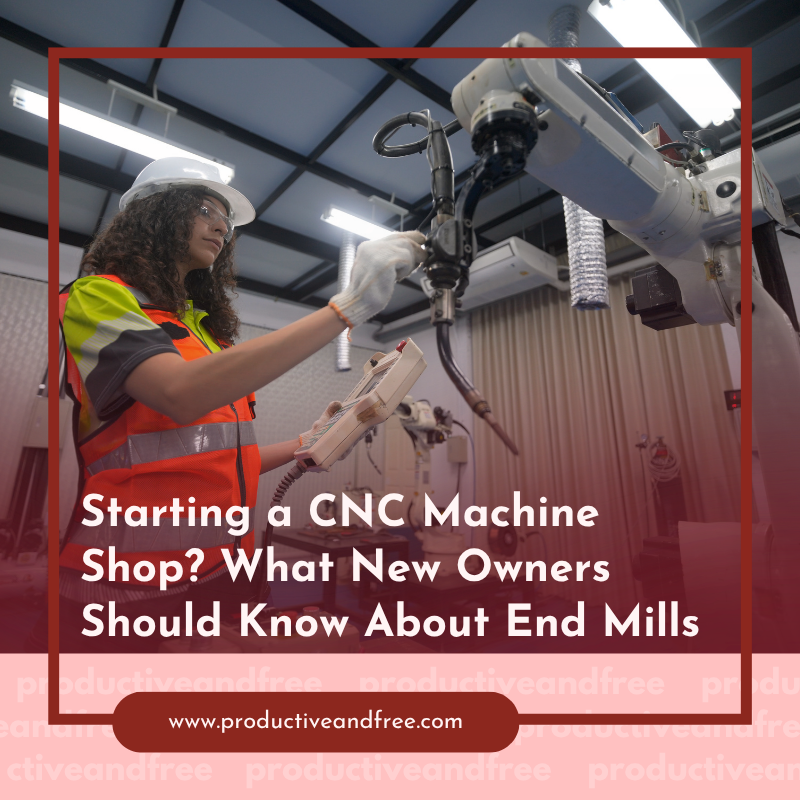
Discover essential tips for new CNC machine shop owners about end mills. Learn how to choose the right tools for precision and efficiency in your projects.
Unlock the secrets to sustainable success with The Green Business Blueprint. Learn to incorporate eco-friendly practices into your daily operations today!

Unlock the potential of your kitchen! Learn how investing in the right equipment can elevate your business efficiency and improve overall performance.

Learn why integrating a smooth online store is crucial for boosting your email list growth. Transform your business strategy and engage customers like never before!
Discover how local sports and fitness hubs can foster a culture of emergency readiness, ensuring safety and preparedness for all participants.

Learn how to overcome operational challenges with cutting-edge smart hardware solutions that promote industrial continuity and streamline processes.

Unlock the secrets to building a reliable online payment system for high-risk merchants. Enhance security and streamline transactions effortlessly!
Ready to reclaim your time? Learn how to automate your business effectively and focus on what truly matters. Start your journey to efficiency today!

Uncover the hidden signs of ant infestations that pest control professionals notice. Equip yourself with knowledge to keep your home ant-free!
Is your service business struggling with call response time? Explore essential insights and strategies to improve efficiency and delight your customers!

Uncover the secrets to hosting a corporate event that stands out. Engage your audience and ensure your event is remembered long after it concludes.

Ensure your sports field project is in good hands! Discover the 7 essential questions to ask before hiring a contractor for a successful build.

Transform your service business with automation! Learn effective strategies to enhance productivity and free up time for growth and innovation.
Discover how to boost productivity in your service business by automating key processes. Streamline operations and focus on what truly matters!
Learn to master team work hours and boost productivity. Transform your team's efficiency and collaboration for outstanding results!
Transform your life with essential software tools designed for intentional lifestyle planning. Invest in your well-being and embrace a healthier, happier you!

Struggling to keep up? Learn the 7 signs that signal when it's time for entrepreneurs to bring in a virtual assistant and lighten the workload.

Discover the essential steps to launch your career in manufacturing engineering, from education requirements to gaining practical experience in the field.

Protect your business with top security tools! Explore our guide to the best solutions for safeguarding your data and ensuring peace of mind.

Success in business requires more than just capital. Dive into the vital elements that foster growth and resilience in your entrepreneurial journey.

Discover how to plan a landscaping project that maximizes your ROI. Learn expert tips and strategies to enhance your outdoor space and increase property value.

Equip your small construction project for success! Explore our guide on selecting the best tools and machinery to ensure smooth and efficient operations.

Transform your property development approach with efficiency-boosting techniques. Explore tips to streamline operations and achieve successful project delivery.
Elevate your business efficiency by making informed equipment choices. Explore our guide to optimize performance and maximize your resources effectively.

Learn how to enhance your medical practice's efficiency without compromising patient care. Explore actionable tips for a better healthcare experience.
Share in the comments below: Questions go here
 Productive and Free
STRATEGIC TIME-SAVING TEMPLATES TO HELP YOU GROW YOUR DREAM BUSINESS
Transform your sales approach with expert tips on outbound sales. Propel your growing business to new heights with actionable insights and strategies.