
The Real Cost of Cheap Tools and How They Hold Your Business Back
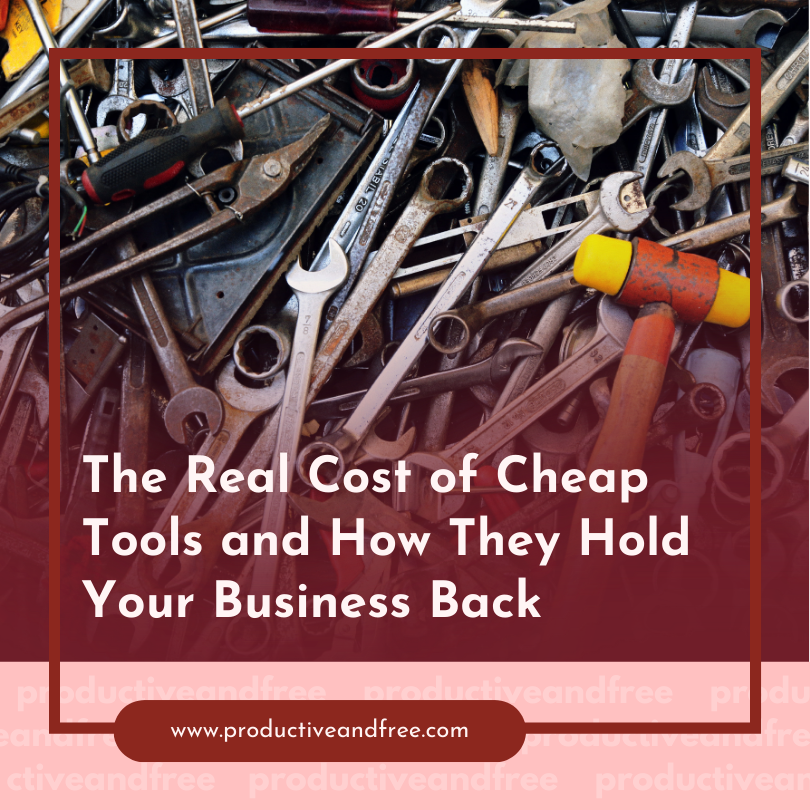
In the beginning, when you first set up your business, you’ll probably have to choose the cheaper option when it comes to your tools - after all, you’ll more than likely have a small budget, and the last thing you want is to get into debt early on before you know whether or not things are going to work out. But if you do that, don’t forget to upgrade later because otherwise you’re going to run into trouble that you might have difficulty getting out of. With that in mind, keep reading to find out more about the real cost of cheap tools and how they hold your business back.

Why Good Enough Rarely Stays That Way
The biggest trap with low-quality tools is just how quickly they reach their limit. Yes, they might be fine when you’ve not got much to do, but when demand increases or the work gets more complex, they’ll start to fail, and that could leave you in a tight spot. The fact is when tools jam or overheat or the result is inconsistent, that’s annoying, but more than that, it’s going to slow everything down, make your team frustrated, and potentially cause problems with your reputation too.
And of course, if you’re spending a lot of time dealing with broken or failing tools and the mess they make, you’re not spending time growing your business, so what might have looked like a good way to save money at the start will costs you money later on.
How Downtime Turns into Real Financial Loss
Every tool breakdown costs money, but the hidden cost is the disruption that comes along with it. That’s because when something essential stops working, your entire business takes a hit when it comes to productivity – orders stall, staff just wait around, and customers lose confidence in your business. Plus, you might even have to absorb rush fees, overtime, or replacement costs just to stay on track.
This is especially true for any business that needs a good, steady output. For example, a company using a water filling machine can’t afford for it to be inconsistent, and even a short disruption is going to hit production targets and delivery promises, not to mention the fact that fixing a cheap machine is usually more expensive in the long run than buying a reliable one in the first place.
The Time You Lose Can Never Be Recovered
Cheap tools are always demanding your attention because they’ll need adjustments all the time, constant monitoring, and there might even be some hands-on fixing involved. All that time could actually be spent improving your service, developing new ideas, or leading the business, but instead you’re being dragged backwards all the time.
High-quality equipment, on the other hand, gives you a lot more stability, which means you’re free to focus on the work that moves your goals forward instead of constantly getting stuck with jobs that really should be that hard.

Elevate your business with a strategic corporate event plan. Explore the benefits of effective planning for brand growth and impactful networking opportunities.

Turn your property into a powerful income-generating asset. Explore strategies to unlock its potential for passive income and secure your financial future!

Maximize productivity by streamlining your field operations. Explore effective solutions that drive efficiency and elevate your team's performance!
Learn how managers can help employees prioritize tasks with clear goals, deadlines, communication, planning, technology and workload reviews.

Discover how small businesses can leverage AI technology to streamline website launches, enhancing efficiency and reducing time to market.
Learn how data-driven insights can empower small business owners to make informed decisions and boost their success. Start transforming your strategy now!

Explore the hidden effects of your business environment on success. Learn how to leverage these insights for strategic growth and improved performance.
Enhance your business efficiency by avoiding costly interruptions. Explore effective strategies to streamline operations and drive success!

Discover the top 5 signs that your hiring process may be driving away talented candidates. Improve your recruitment strategy and attract the best talent today!
Transform your e-commerce operations with powerful tools that boost efficiency and streamline your business processes for optimal performance.
Unlock the secrets to financial resilience for business owners. Equip yourself with practical tips to strengthen your financial foundation and ensure stability.
Ensure your business runs smoothly with our expert strategies to maximize uptime and eliminate delays. Discover how to enhance efficiency today!

Is your marketing data at risk? Delve into the silent threats that could undermine your efforts and find out how to protect your critical information.

Explore the hidden costs of manual processes in insurance claims. Find out how optimizing workflows can significantly improve productivity and profitability.
Learn the vital role of strong documentation in boosting business security. Explore how it safeguards data, streamlines processes, and mitigates risks effectively.

Transform your sales approach with expert tips on outbound sales. Propel your growing business to new heights with actionable insights and strategies.

Uncover the benefits of workplace safety investments. Explore how prioritizing safety can improve employee morale and drive financial returns for your business.

Discover effective strategies for making informed decisions as your business expands. Learn to navigate growth challenges with confidence and clarity.
Enhance your business efficiency by streamlining operations with innovative cloud-based tools designed for seamless collaboration and productivity.
Ready to elevate your small business? Learn simple AI steps you can start using today to enhance productivity and drive growth effortlessly!
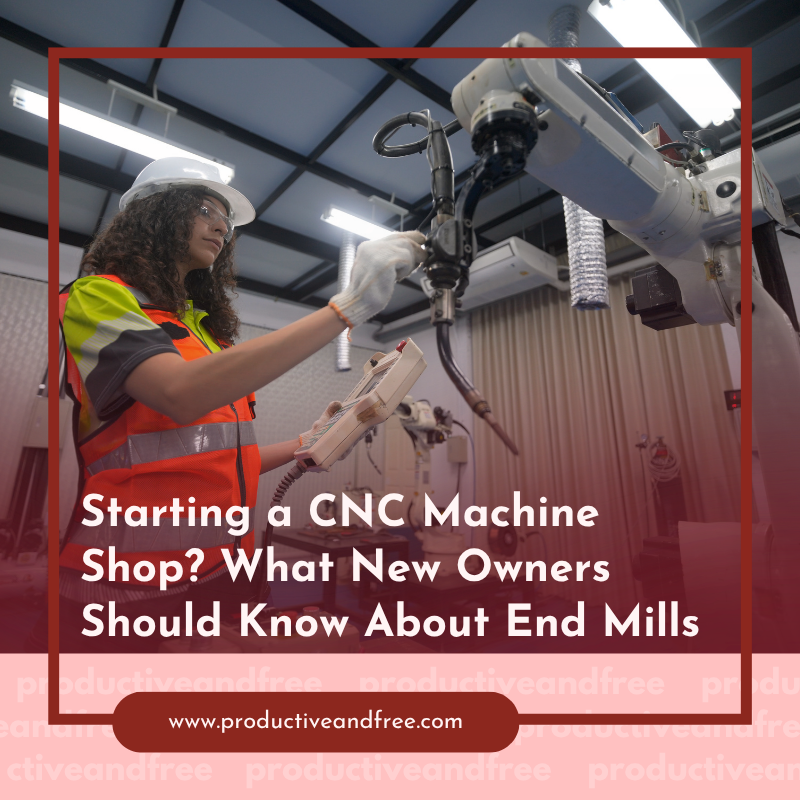
Discover essential tips for new CNC machine shop owners about end mills. Learn how to choose the right tools for precision and efficiency in your projects.

Unlock the secrets to sustainable success with The Green Business Blueprint. Learn to incorporate eco-friendly practices into your daily operations today!
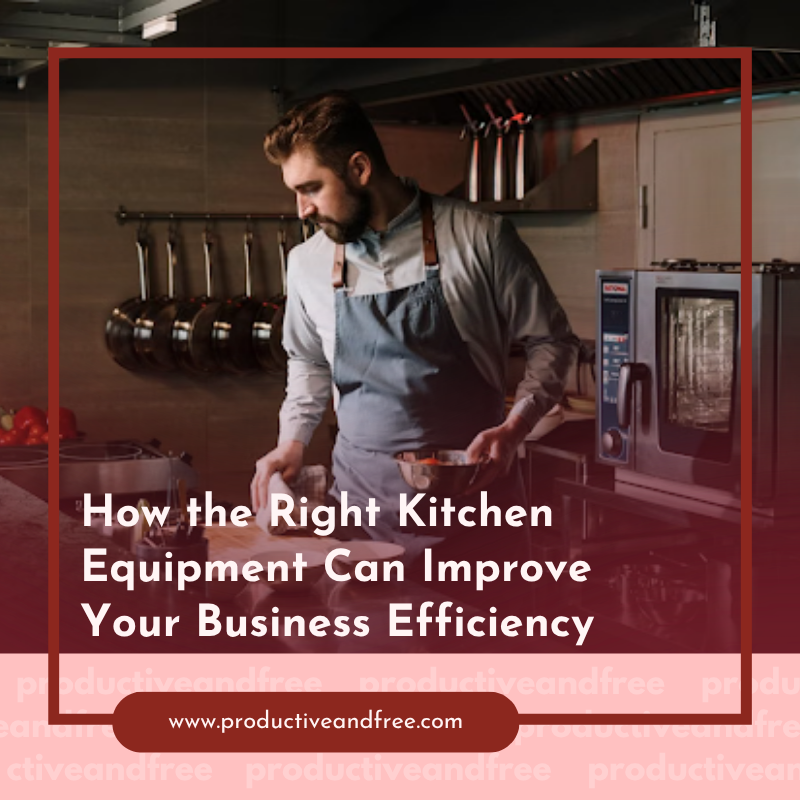
Unlock the potential of your kitchen! Learn how investing in the right equipment can elevate your business efficiency and improve overall performance.

Learn why integrating a smooth online store is crucial for boosting your email list growth. Transform your business strategy and engage customers like never before!
Discover how local sports and fitness hubs can foster a culture of emergency readiness, ensuring safety and preparedness for all participants.
Learn how to overcome operational challenges with cutting-edge smart hardware solutions that promote industrial continuity and streamline processes.

Unlock the secrets to building a reliable online payment system for high-risk merchants. Enhance security and streamline transactions effortlessly!
Ready to reclaim your time? Learn how to automate your business effectively and focus on what truly matters. Start your journey to efficiency today!

Uncover the hidden signs of ant infestations that pest control professionals notice. Equip yourself with knowledge to keep your home ant-free!
Share in the comments below: Questions go here
 Productive and Free
STRATEGIC TIME-SAVING TEMPLATES TO HELP YOU GROW YOUR DREAM BUSINESS
Ready to launch your dream business? Explore essential tips for finding the perfect opportunity that fuels your entrepreneurial ambitions.