
From Local to National: A Strategic Framework for Scaling Your Service Business
Scaling a service business from a local operation to a national presence isn't just a dream. It's an achievable milestone when approached with clarity, intent, and the right strategic framework. Many entrepreneurs stall at the local level not because their service lacks potential, but because their growth strategy is either reactive or missing altogether.
Let’s change that. Here’s how to think differently and scale smartly.
Begin with the Systems You Wish You Had
Local businesses often thrive on relationships, hustle, and word-of-mouth. But those same traits can become bottlenecks when scaling. Ask yourself: if you had 10 times the clients tomorrow, would your operations survive?
Start by documenting everything. From onboarding clients to how you deliver your service, turn your day-to-day into repeatable systems. Think of this as building the infrastructure your future business will depend on. Create SOPs not just for efficiency, but to allow someone else to eventually do what you do. This mindset shift is foundational.
Keep Your Business Protected
Your business will come up against more than a few risks and challenges from the start, and you’ll see more of these as you grow. You’ll need to keep your company protected from them as much as you can. Comprehensive business insurance, like from Coverage Axis, is a great start with this.
But, you’ll also need to invest in cybersecurity and more than a few other areas, too. These make sure you don’t need to worry about hacks, thefts, and other risks, all of which can be a lot more common for small businesses than you’d think.

Nail the Niche Before You Multiply
Growing nationally doesn’t require you to appeal to everyone. In fact, you'll need to go deeper, rather than broader at first. When you expand to new cities or states, you don’t need a new audience. You need more of the same kind of audience.
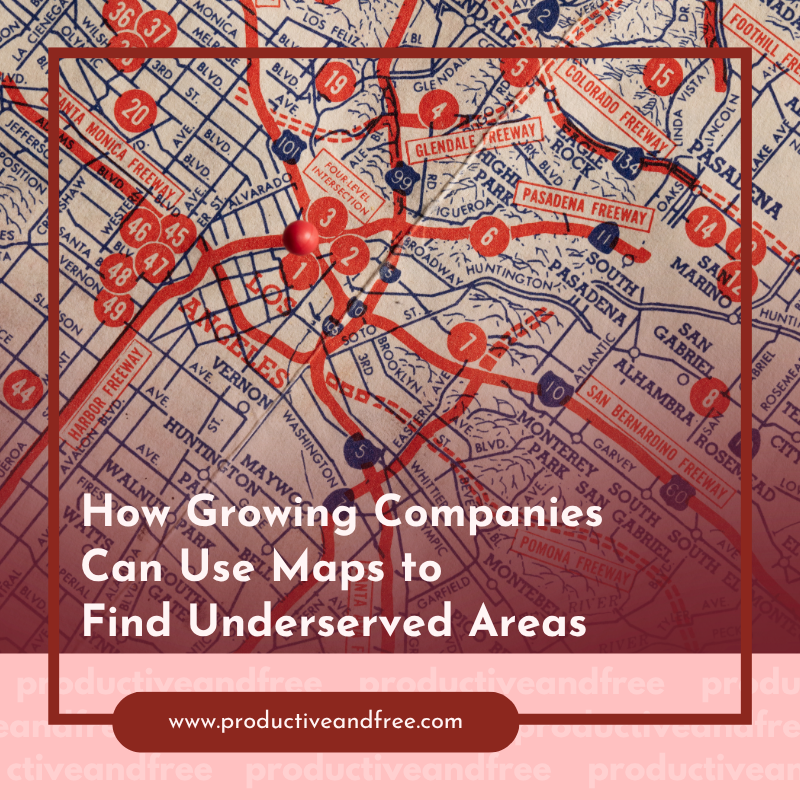
Identify what you do better than your competitors. Package it tightly. Then look for regions where your niche is underserved. Success at scale depends less on geography and more on consistent messaging to the right people.
Technology Isn’t Optional
You cannot afford to wait to invest in improved technology until you have "grown" into using better technology. Technology should be viewed as a tool to grow your business. Automate things that slow you down. Create one central place for communication.
As service businesses scale across regions, logistics and infrastructure quickly become limiting factors. Reliable transportation streamlined delivery channels, and asset movement all demand serious coordination. This is where companies like Track Tech Inc. come into the picture. With deep expertise in rail-based service logistics, they help growing businesses overcome geographic barriers by supporting the efficient movement of people, equipment, and resources exactly what’s needed to expand sustainably into new markets.
Grow Through Repetitive Wins
When you expand into new markets, instead of winging it and relying on gut feelings, think of this process as a science experiment. Use your systems and measurable KPIs as a playbook. Test the launch of your offer in a small market first, then gather data, refine the data, and finally, scale.
There are a few national brands that were created by rapid or explosive launches. Most national brands were developed through disciplined and repeated execution. The objective is to create a model that can be duplicated repeatedly.
Grow Your Business Through Culture
A service business has the strength of its people. When you grow nationally, the act of hiring is either your greatest asset or liability.
You need to build a culture that will allow your people to work together across multiple zip codes. Clearly communicate the values of your organization. Develop trust between employees working from afar. Allow local managers to manage their own area of responsibility, while still providing the structure of the company's overall vision. Employees come for the job, but they stay for the culture.
Closing Thoughts
Scaling a local service business to a national level requires more than just ambition. It takes systems, strategy, and self-awareness. It’s about making decisions that don’t just work today but make tomorrow possible.
Start building like a national brand before you become one because growth doesn’t start when you hit your first big market. It starts the moment you choose to scale with intention.


















Share in the comments below: Questions go here

Learn how to enhance your medical practice's efficiency without compromising patient care. Explore actionable tips for a better healthcare experience.