
Why Doing Less Is Finally Becoming a Competitive Advantage
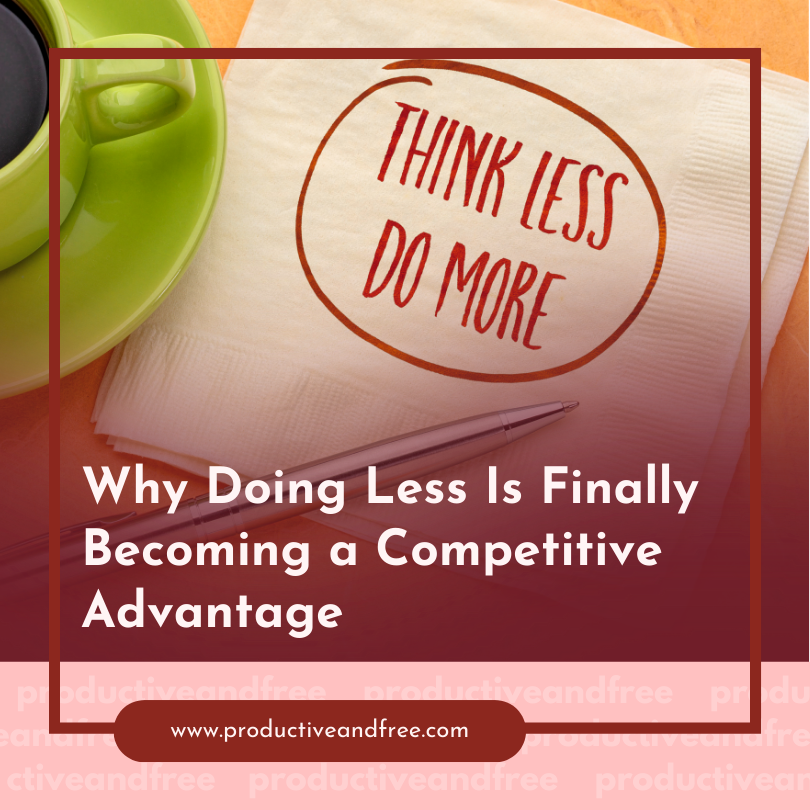
For a very long time, businesses were pretty much encouraged to do as much as possible - it looked good to always be busy and for people to always be working, and if you had more content, more meetings, more platforms, more features, more targets to hit… you had to be doing something right. Right? Being busy was like a badge of honour, and if everything felt a bit overwhelming, well, that was just the price of success.
But then, somewhere and somehow, people started to notice that something wasn’t right - teams weren’t just tired, they were exhausted, and that meant slower decision-making and lower quality, and customers started to get confused because the things they used to think were good weren’t anymore. Perhaps in that case, it’s better to do less instead of more? Keep reading to find out why doing less is finally becoming a competitive advantage.

Less Focus Creates More Impact
When a business tries to do everything, it usually ends up not doing very much well because attention is split between projects and it’s hard to work out what the priorities are. People just rush from one task to the next without really thinking. However, if you do less, you get to focus more on the thing you’re doing, and that means you can work out what the priorities are and what can wait.
In the end, businesses that narrow their focus tend to move faster, not slower, and they make clearer decisions because there are fewer variables to juggle. And they communicate more clearly because they aren’t trying to appeal to everyone at once, and all of that is something customers are going to notice and like.
Smaller Workloads Mean Better Thinking
There’s a growing understanding that creativity and problem-solving don’t really work well under constant pressure, and the fact is that when people are overloaded, they just go back to safe ideas and quick fixes. But when workloads are more realistic, thinking gets a lot better and easier.
That’s one reason why some companies are starting to use productivity tools like large language models. These types of things make working a lot simpler, removing a lot of the busywork so people can focus more on decisions that need human judgement.
Customers Prefer Simpler Experiences
From the customer side, doing less can often feel like doing better, and fewer options actually make decisions easier, plus when your messaging is simpler and clearer, that’s going to build more trust.
Customers really don’t want to have to work hard to understand what it is you’re offering - if that’s the case, they’ll probably just find somewhere else to buy from where they don’t have to get through loads of forms or complicated systems just to spend their money. When things are stripped back and easier, customers tend to like it more and feel a lot more supported instead of overwhelmed, and they’ll want to work with you more.
Final Thoughts
Everything’s just going to get busier and busier, so if you want to catch people’s attention, you’ve got to do things simply - that’s a great strategy to put in place.
Explore the benefits of operational checklists for service businesses. Increase productivity, reduce errors, and ensure top-notch service delivery with ease!

Maximize your Canva lead magnets to generate daily traffic. Explore effective techniques to attract more visitors and enhance your online presence!

Start your journey in electronics manufacturing with our essential guide for new entrepreneurs. Gain insights to launch and grow your business effectively.
Unlock the potential of local news for your business growth. Explore effective ways to engage with your community and boost your brand's presence!

Ready to launch your dream business? Explore essential tips for finding the perfect opportunity that fuels your entrepreneurial ambitions.
Elevate your business with a strategic corporate event plan. Explore the benefits of effective planning for brand growth and impactful networking opportunities.

Turn your property into a powerful income-generating asset. Explore strategies to unlock its potential for passive income and secure your financial future!

Maximize productivity by streamlining your field operations. Explore effective solutions that drive efficiency and elevate your team's performance!
Learn how managers can help employees prioritize tasks with clear goals, deadlines, communication, planning, technology and workload reviews.

Discover how small businesses can leverage AI technology to streamline website launches, enhancing efficiency and reducing time to market.
Learn how data-driven insights can empower small business owners to make informed decisions and boost their success. Start transforming your strategy now!
Explore the hidden effects of your business environment on success. Learn how to leverage these insights for strategic growth and improved performance.
Enhance your business efficiency by avoiding costly interruptions. Explore effective strategies to streamline operations and drive success!

Discover the top 5 signs that your hiring process may be driving away talented candidates. Improve your recruitment strategy and attract the best talent today!
Transform your e-commerce operations with powerful tools that boost efficiency and streamline your business processes for optimal performance.
Unlock the secrets to financial resilience for business owners. Equip yourself with practical tips to strengthen your financial foundation and ensure stability.

Ensure your business runs smoothly with our expert strategies to maximize uptime and eliminate delays. Discover how to enhance efficiency today!
Is your marketing data at risk? Delve into the silent threats that could undermine your efforts and find out how to protect your critical information.

Explore the hidden costs of manual processes in insurance claims. Find out how optimizing workflows can significantly improve productivity and profitability.
Learn the vital role of strong documentation in boosting business security. Explore how it safeguards data, streamlines processes, and mitigates risks effectively.

Transform your sales approach with expert tips on outbound sales. Propel your growing business to new heights with actionable insights and strategies.

Uncover the benefits of workplace safety investments. Explore how prioritizing safety can improve employee morale and drive financial returns for your business.
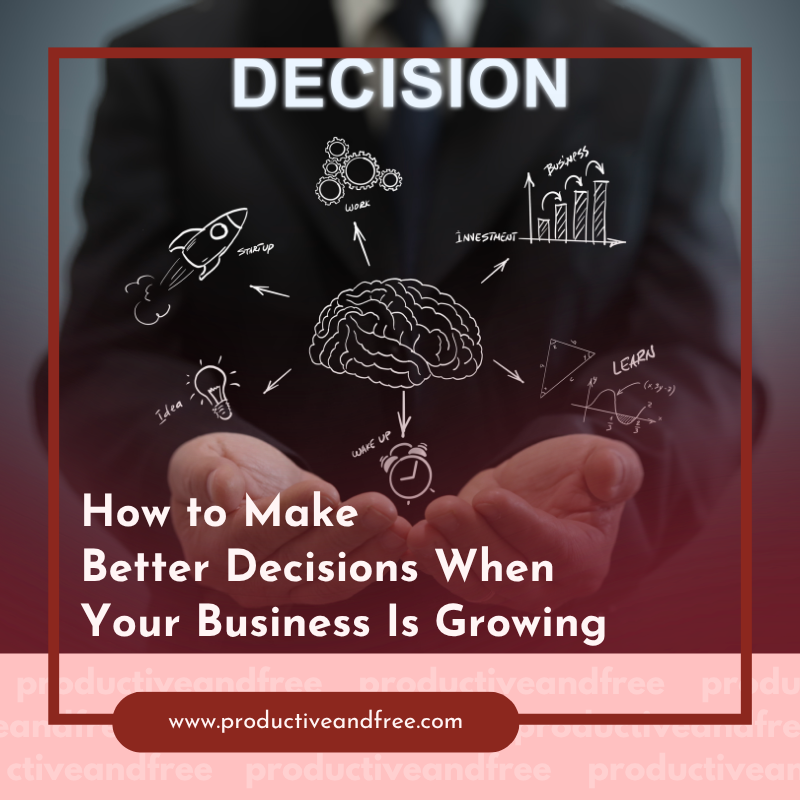
Discover effective strategies for making informed decisions as your business expands. Learn to navigate growth challenges with confidence and clarity.
Enhance your business efficiency by streamlining operations with innovative cloud-based tools designed for seamless collaboration and productivity.
Ready to elevate your small business? Learn simple AI steps you can start using today to enhance productivity and drive growth effortlessly!
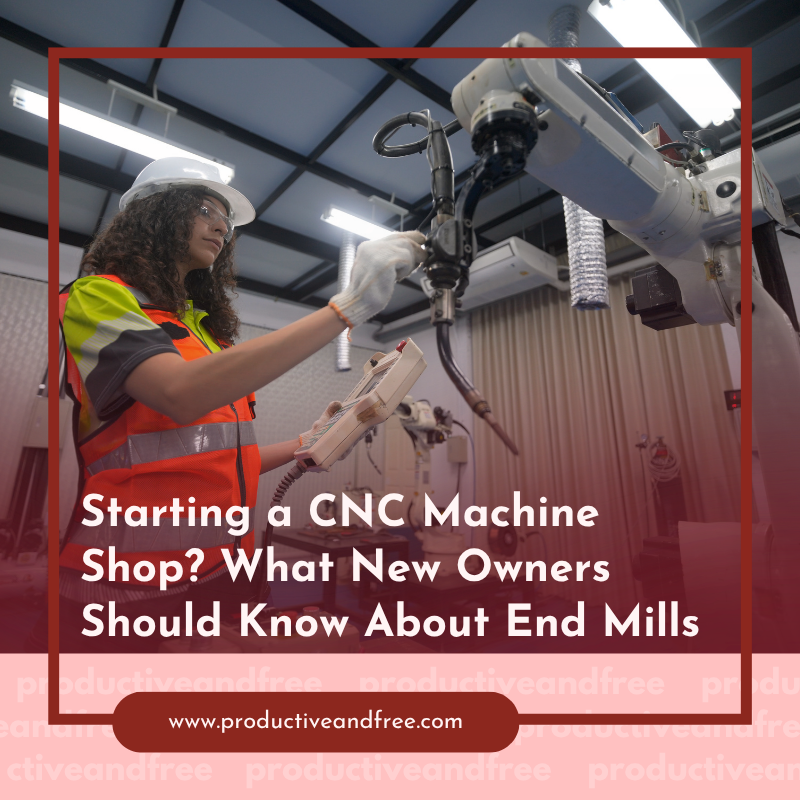
Discover essential tips for new CNC machine shop owners about end mills. Learn how to choose the right tools for precision and efficiency in your projects.
Unlock the secrets to sustainable success with The Green Business Blueprint. Learn to incorporate eco-friendly practices into your daily operations today!
Unlock the potential of your kitchen! Learn how investing in the right equipment can elevate your business efficiency and improve overall performance.

Learn why integrating a smooth online store is crucial for boosting your email list growth. Transform your business strategy and engage customers like never before!
Share in the comments below: Questions go here
 Productive and Free
STRATEGIC TIME-SAVING TEMPLATES TO HELP YOU GROW YOUR DREAM BUSINESS
Discover how traveling can enhance your understanding of customer needs and preferences. Learn valuable insights to boost your entrepreneurial success.