
Why ‘Sorting It Later’ Gets Riskier as Your Business Grows
When you’re starting a business, it’s easy to put things off, and you tell yourself that you’ll deal with all the things - systems, policies, processes, paperwork, insurance, and everything else - at a later date, when things calm down and you’re less busy. And at first, that does seem to work, but the truth is that as a business grows, that habit of sorting things later can actually turn into a real risk.
Small Gaps Become Big Problems
In the beginning, you might only have a handful of clients, a small team, simple processes, and so on, and if something goes wrong, you can usually fix it quite quickly. But as the business grows, those small gaps in how things are done can often start to become a much bigger issue, and you’ll find that a missed step, unclear responsibilities, or a lack of documentation, for example, can cause delays, mistakes, or even legal trouble. At that point, what felt manageable before suddenly gets a lot harder to control.
More People Means More Complexity
As soon as you add staff, contractors, or partners to the mix, the way things work tends to change - usually because it must. And when there are people around, they’ll be looking to you because they’ll want clear guidance on what you want from them - they need to know what’s expected, how decisions are made, and how problems should be handled, and if everything still lives in your head or you’ve not even worked it out yet because you kept putting it off, it’s really only a matter of time before something slips through the cracks.

Clients Start Expecting More
As you grow, your clients change too, and that can mean you’ve got to re-think how things are done. The reality is that larger clients are going to expect you to have proper systems in place, and they’ll want to know how you manage risk, protect data, keep things consistent, and that you can get them what they want without any problems. If you can’t show them that, it’s potentially going to limit the work you’re able to take on.
That’s where having a standard like the ISO 42001 is important - these help businesses show that they take governance, risk, and management very seriously, and you won’t just be reacting when something goes wrong because you know precisely what to do.
Firefighting Becomes Exhausting
When things are always handled at the last minute, you end up in constant firefighting mode - in other words, you’re reacting, which means there’s no time for planning. That’s going to make things much more stressful, and not just for you, but for everyone around you as well. Over time, it also makes the business seem less stable, and that’s never a good position to be in, especially if you want to attract more customers.
If you’re able to put systems in place earlier, it’s going to relieve that pressure, and although you’ll still have problems to deal with, they’ll be easier to manage.
Discover effective ways to integrate online tactics into your business strategy for enhanced growth and engagement. Start optimizing your approach today!

Navigate the business buying process with confidence. Explore practical advice to avoid costly mistakes and ensure a successful acquisition.

Uncover the time-saving benefits of a robust online presence for your business. Elevate your efficiency and connect with customers like never before!

Elevate your marketing game! Learn how to optimize your strategies for maximum impact and achieve your business goals effectively.
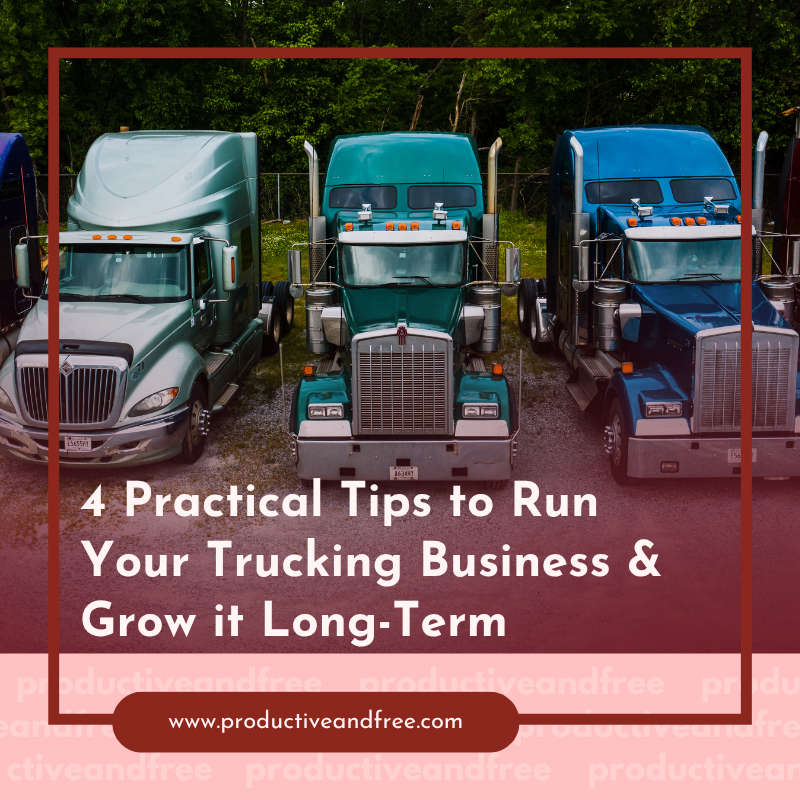
Discover 4 essential tips to effectively manage and grow your trucking business for long-term success. Start optimizing your operations today!

Unlock the key elements of a successful marketing strategy that attracts traffic and grows your business. Elevate your marketing game today!

Master the art of juggling school and business! Find practical advice to enhance your education without disrupting your schedule or peace of mind.

Uncover the importance of visual verification for your business. Strengthen security, enhance user experience, and drive growth with proven techniques.

Unlock your potential by stopping these 10 tasks that hold entrepreneurs back. Focus on growth and let others handle the rest!

Maximize your sourcing strategy with our 5 tips for finding exceptional suppliers. Build strong relationships and enhance your business potential!

Take your small business to the next level! Explore key investments that can drive success and ensure long-term profitability in a competitive market
Explore the importance of risk management in transportation. Uncover strategies to mitigate risks, improve safety, and optimize logistics for better outcomes.

Unlock the secrets to successful online marketing! Learn how to engage your audience and maximize your reach with our comprehensive guide.
Explore how businesses are evolving their data storage solutions in 2026. Find out the key strategies and technologies shaping the future of data management.
Uncover the different forms of workplace discrimination with our insightful examples. Take a stand against unfair treatment and promote a healthier work environment.

Transform your marketing strategy with our guide to the 3 essential elements for business success. Learn how to attract and retain customers effectively!

Kickstart your land clearing business with these 3 essential tips! Gain insights on strategies that lead to success and growth in this thriving market.
Unleash your small business's potential! Explore creative marketing ideas that can refresh your brand and engage your audience effectively.

Protect your business with expert tips on risk management, cybersecurity, and compliance. Secure your future and thrive in a competitive landscape!

Ready to skyrocket your conversions? Learn effective methods and strategies that turn visitors into loyal customers. Start increasing your sales now!

Your business is in trouble, but there's hope! Explore practical tips and expert advice to help you navigate through tough times and emerge stronger.
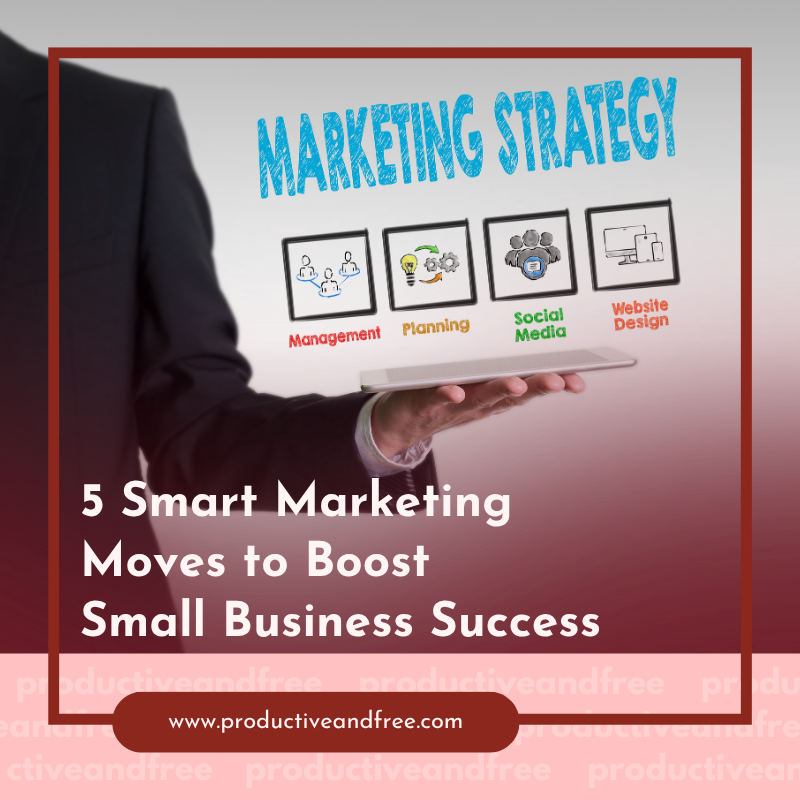
Discover 5 effective marketing strategies tailored for small businesses. Boost your success and reach your target audience with proven techniques today!
Discover how streamlining communications can enhance collaboration, boost productivity, and transform your workplace into a more efficient environment.

Discover essential insights for running your business smoothly. From management tips to financial strategies, we've got everything you need to succeed!

Transform your business with better operations! Find out how to increase sales effortlessly and avoid burnout, ensuring long-term success and satisfaction.
Transform your business with agile practices! Explore tips and tools to boost flexibility, streamline processes, and drive innovation effectively.
Discover the 5 hidden costs of disorganized business operations for SMBs. Learn how to streamline processes and boost your bottom line today!

Learn how companies are effectively closing the gap between training and performance, enhancing skills and driving success. Transform your workforce now!

Take charge of your finances with our comprehensive guide for small business owners. Master cash flow management and ensure your business thrives!
Share in the comments below: Questions go here
 Productive and Free
STRATEGIC TIME-SAVING TEMPLATES TO HELP YOU GROW YOUR DREAM BUSINESS
Explore the impact of resilient teams on business stability, driving success through strong communication, adaptability, and a positive work culture.