
Work Parties: Team Builder or Time Waster?
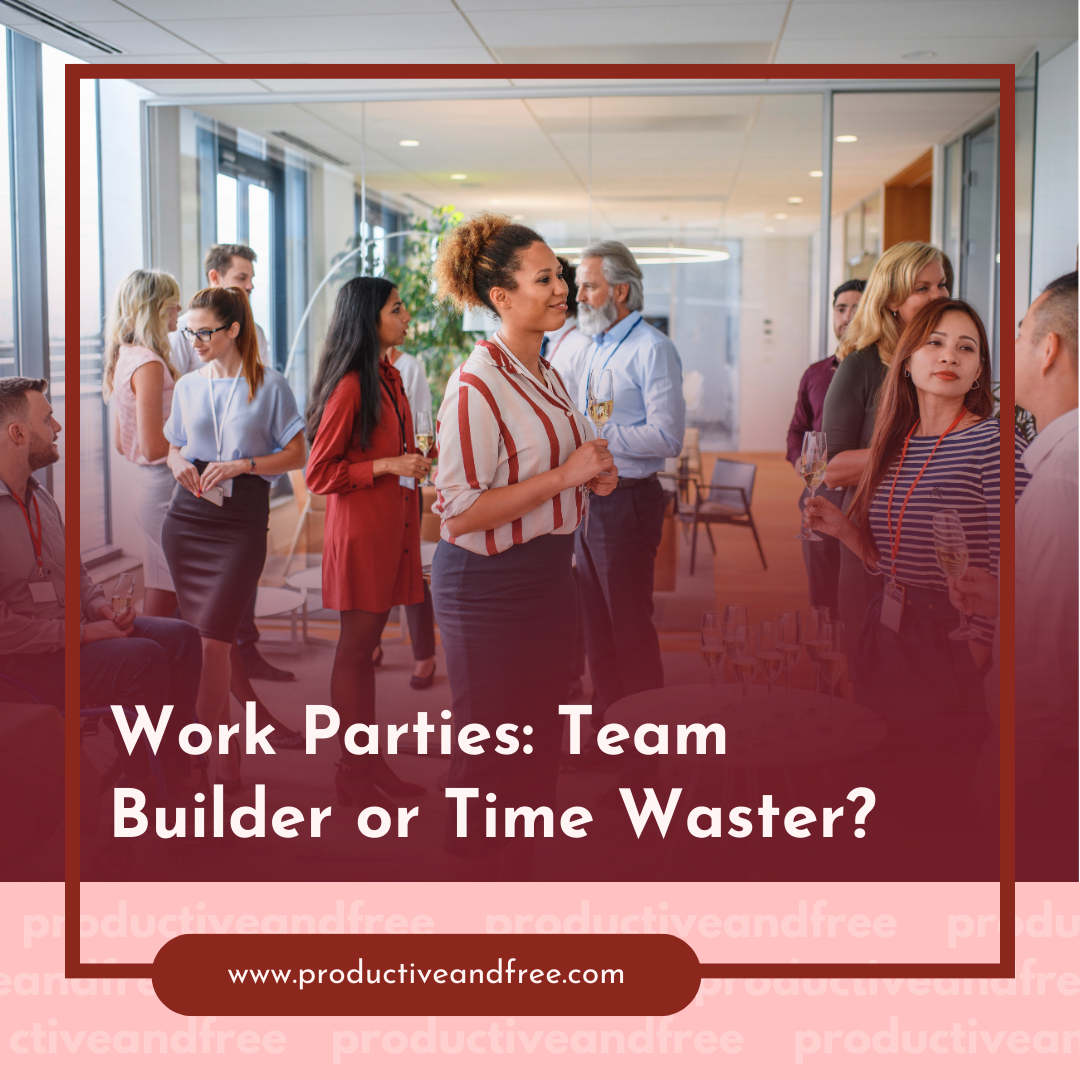
Ask ten people whether work parties are a good idea and you’ll probably get ten different answers. Some people see them as a great way to unwind and connect, while others quietly dread them and wonder why they’re expected to socialize outside of work hours.
The truth is usually something in the middle. Parties can be a great way to build your teams but only if they’re planned ahead of time and are intentionally designed in a way that helps your team, otherwise it just turns into an event to tick some arbitrary boxes.
It’s not really about the party itself. It’s about what the event allows people to do that they can’t easily do during a normal workday.

Why teams often feel disconnected at work
Workplaces tend to be busy and focused on productivity. People work together only within their departments and over time, it can make it feel like teams are disconnected even though they technically work together every day.
Social events create space for conversations that don’t revolve around deadlines or meetings. When people get to know each other as individuals, communication at work often becomes easier and more relaxed. That human connection is one of the main reasons companies explore different teambuilding ideas in the first place.
When parties actually help team dynamics
Parties can be useful when they lower barriers. A well-planned event gives people a chance to talk to colleagues they wouldn’t normally interact with. It can help newer team members feel included and allow quieter personalities to be seen outside of formal settings.
But this doesn’t mean that your event has to be big and flashy. Even a simple gathering helps everyone feel closer and more like a team. The value comes from shared experience, not from how impressive the event looks on paper.
Why some work parties miss the mark
Not all parties are created equal. A fancy business event with strict schedules, speeches, and pressure to network can sometimes feel more like work than a break from it. When people feel obligated rather than invited, the benefits start to disappear.
It’s also important to consider that not everyone enjoys the same types of social activity. Loud music and long evenings might bothersome, and it can even make your employees uncomfortable if it’s not in their element. When that happens, the event can actually increase disengagement instead of improving morale.
Entertainment can bring people together
Thoughtful entertainment changes how an event feels. When you include things like games, interactive activities, or even stage performances give people something to share and talk about. They create moments that feel collective rather than awkward or forced.
The key is creating a sense of balance where the entertainment adds to the experience instead of becoming the main event. When everyone gets together, they can enjoy something without pressure, and this tends to naturally bring people closer as a team. Over time, this builds up your team’s confidence and things just go more smoothly when you’re trying to be more productive.
Transform your e-commerce operations with powerful tools that boost efficiency and streamline your business processes for optimal performance.
Unlock the secrets to financial resilience for business owners. Equip yourself with practical tips to strengthen your financial foundation and ensure stability.
Ensure your business runs smoothly with our expert strategies to maximize uptime and eliminate delays. Discover how to enhance efficiency today!
Is your marketing data at risk? Delve into the silent threats that could undermine your efforts and find out how to protect your critical information.

Explore the hidden costs of manual processes in insurance claims. Find out how optimizing workflows can significantly improve productivity and profitability.
Learn the vital role of strong documentation in boosting business security. Explore how it safeguards data, streamlines processes, and mitigates risks effectively.
Transform your sales approach with expert tips on outbound sales. Propel your growing business to new heights with actionable insights and strategies.
Uncover the benefits of workplace safety investments. Explore how prioritizing safety can improve employee morale and drive financial returns for your business.
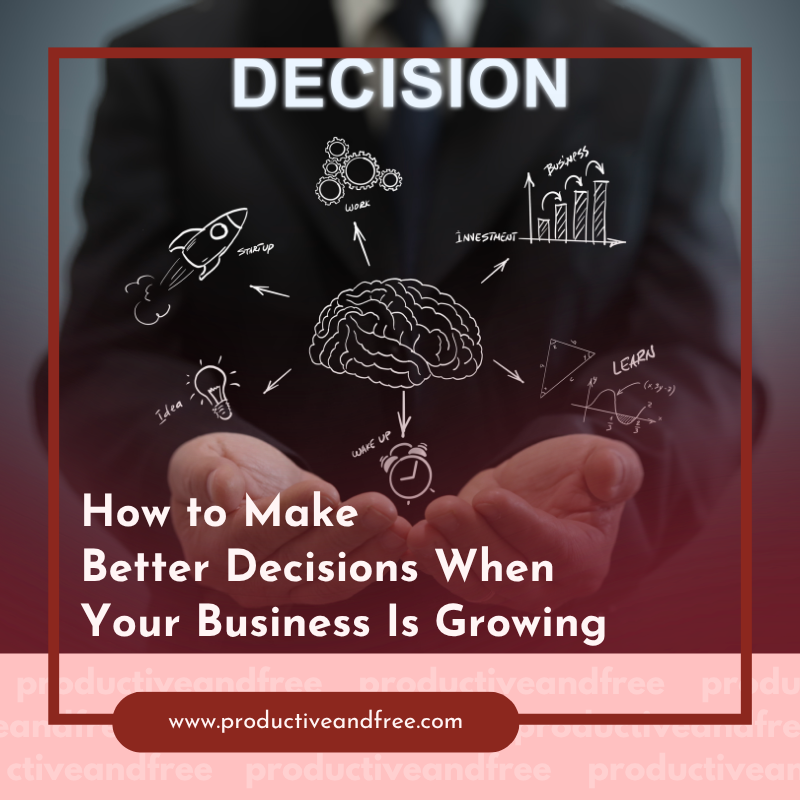
Discover effective strategies for making informed decisions as your business expands. Learn to navigate growth challenges with confidence and clarity.
Enhance your business efficiency by streamlining operations with innovative cloud-based tools designed for seamless collaboration and productivity.
Ready to elevate your small business? Learn simple AI steps you can start using today to enhance productivity and drive growth effortlessly!
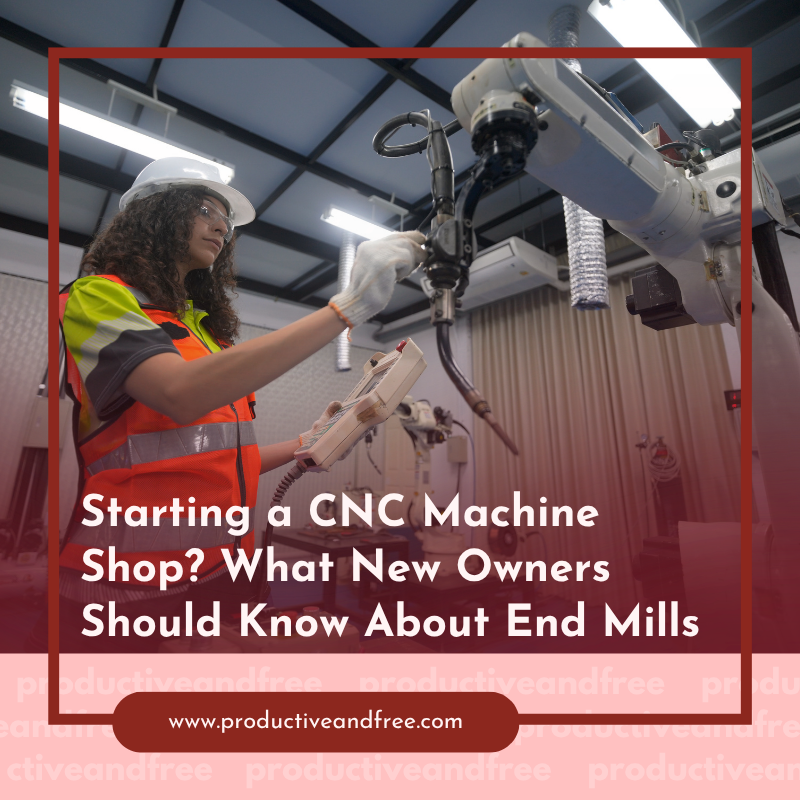
Discover essential tips for new CNC machine shop owners about end mills. Learn how to choose the right tools for precision and efficiency in your projects.
Unlock the secrets to sustainable success with The Green Business Blueprint. Learn to incorporate eco-friendly practices into your daily operations today!
Unlock the potential of your kitchen! Learn how investing in the right equipment can elevate your business efficiency and improve overall performance.
Learn why integrating a smooth online store is crucial for boosting your email list growth. Transform your business strategy and engage customers like never before!
Discover how local sports and fitness hubs can foster a culture of emergency readiness, ensuring safety and preparedness for all participants.
Learn how to overcome operational challenges with cutting-edge smart hardware solutions that promote industrial continuity and streamline processes.

Unlock the secrets to building a reliable online payment system for high-risk merchants. Enhance security and streamline transactions effortlessly!
Ready to reclaim your time? Learn how to automate your business effectively and focus on what truly matters. Start your journey to efficiency today!

Uncover the hidden signs of ant infestations that pest control professionals notice. Equip yourself with knowledge to keep your home ant-free!
Is your service business struggling with call response time? Explore essential insights and strategies to improve efficiency and delight your customers!
Uncover the secrets to hosting a corporate event that stands out. Engage your audience and ensure your event is remembered long after it concludes.
Ensure your sports field project is in good hands! Discover the 7 essential questions to ask before hiring a contractor for a successful build.
Transform your service business with automation! Learn effective strategies to enhance productivity and free up time for growth and innovation.
Discover how to boost productivity in your service business by automating key processes. Streamline operations and focus on what truly matters!
Learn to master team work hours and boost productivity. Transform your team's efficiency and collaboration for outstanding results!
Transform your life with essential software tools designed for intentional lifestyle planning. Invest in your well-being and embrace a healthier, happier you!
Struggling to keep up? Learn the 7 signs that signal when it's time for entrepreneurs to bring in a virtual assistant and lighten the workload.
Discover the essential steps to launch your career in manufacturing engineering, from education requirements to gaining practical experience in the field.
Share in the comments below: Questions go here
 Productive and Free
STRATEGIC TIME-SAVING TEMPLATES TO HELP YOU GROW YOUR DREAM BUSINESS
Discover the top 5 signs that your hiring process may be driving away talented candidates. Improve your recruitment strategy and attract the best talent today!