
Converting Hesitant Customers: Building Trust Instead of Applying Pressure
When high-value clients hesitate, it’s rarely because they don’t see the product’s potential. More often, it’s uncertainty — about outcomes, credibility, or risk. For businesses working with discerning, cautious buyers, pushing harder doesn’t create confidence. Structure does. Clarity does. Reassurance does.
This article explores how to convert on-the-fence clients through credibility, communication, and consistency — not pressure.
Key Takeaways for Converting the Cautious
Trust, not urgency, converts the most careful buyers.
Transparency in pricing, process, and outcomes reduces perceived risk.
Social proof and case studies validate reliability without hard selling.
Professional presentation and predictable communication build comfort.
Agreements like NDAs can create safety and open conversation.
Consistent post-sale behavior reinforces trust and referrals.
The Trust-First Conversion Mindset
High-value clients don’t want to be convinced; they want to feel secure. That means reframing your sales process around credibility cues, not closing tactics.
Think of the buying journey as a risk-reduction process. Every message, meeting, and interaction should remove uncertainty: What happens next? Who will deliver? What are the safeguards? The most persuasive message in this context is “You’re protected.”
Before any offer, define what would make the decision safe for the buyer. Then, demonstrate that safety through facts, process, and transparency.
Showing Proof, Not Pressure
People trust what other people validate. Third-party credibility (testimonials, case studies, and verified reviews) carries more weight than sales language ever could.
Here are practical ways to make proof visible and believable:
Use specific outcomes, not vague claims. “We reduced onboarding time by 47%” feels more reliable than “We make onboarding faster.”
Include peer validation. Quotes or logos from recognizable peers reduce emotional risk.
Highlight long-term clients. Continuity signals satisfaction and stability.
When prospects see consistent results, hesitation turns into curiosity.
Clear Communication Converts
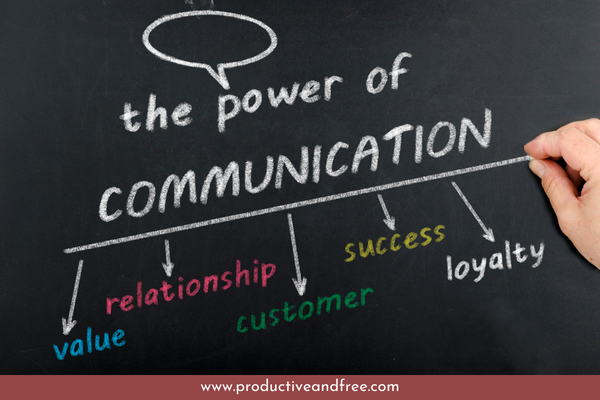
Uncertainty is the enemy of decision-making. Businesses that communicate clearly (about timelines, deliverables, and expectations) remove that uncertainty early.
Before your client asks:
Provide examples of past communications and deliverables.
Confirm how progress and accountability will be measured.
A professional tone backed by concise materials demonstrates competence and reliability.
Confidence-Building Practices vs. Pressure Tactics
| Buyer Perception Goal | Trust-Building Practice | Pressure-Based Alternative |
|---|---|---|
| Reduce uncertainty | Share timelines, clarify next steps | Create artificial urgency |
| Prove capability | Offer transparent case studies | Rely on generic claims |
| Show empathy | Listen and restate concerns | Interrupt or deflect objections |
| Increase confidence | Provide structured agreements and guarantees | Push limited-time offers |
| Build comfort | Invite discussion and questions | Overwhelm with data or speed |
Replacing pressure with clarity turns skepticism into cooperation.
Offering Reassurance Through Confidentiality
When engaging with cautious or high-stakes clients, confidentiality can be the difference between hesitation and action. Offering a non-disclosure agreement (NDA) early signals professionalism and respect.
Understanding what is an NDA and explaining it clearly reassures clients that their proprietary ideas and data are protected. Streamlining the process with secure digital signing tools removes friction. An NDA doesn’t just secure information; it communicates integrity and seriousness, allowing discussions to move forward in trust rather than fear.
Creating Confidence with Professional Systems
Consistency is trust made visible. Every touchpoint — from proposals to invoicing — should reflect care and structure. Businesses can simplify this with professional templates and communication systems that prevent ambiguity.
Platforms like Productive & Free provide strategic templates for emails, client workflows, and onboarding documents. These frameworks help teams deliver polished, predictable experiences at every stage. When clients see well-organized communication and thoughtful process design, they associate that professionalism with reliability.

The Trust-Building Checklist
Before you attempt to close, make sure your buyer has every reason to feel secure.
Checklist: Reducing Risk and Building Trust Before the Sale
Client understands every deliverable and timeline.
Proof of success is visible (case studies, testimonials).
You’ve clarified confidentiality and data protections.
Communications are consistent in tone and format.
All agreements are clear, reviewed, and easy to sign.
No time pressure; only evidence and reassurance.
If you can check all six, the sale often happens naturally.
The Confident Buyer FAQ
These are the questions your hesitant prospects are silently asking before they commit. Addressing them directly earns trust before they voice concern.
1. How do I know you’ll actually deliver what’s promised?
Show proof, not promises. Case studies, transparent timelines, and detailed scopes demonstrate your reliability far more effectively than persuasive language. Clients trust documented history.
2. What happens if something goes wrong?
Outline contingency plans in your proposal. Transparency about problem-solving builds more confidence than perfection claims. Clients trust partners who plan for reality.
3. How do you protect our information?
Explain your confidentiality policies upfront. Offering a signed NDA early in the process signals professionalism and respect for their intellectual property.
4. Why should I trust your process?
Walk through your methodology. Show examples of your workflow tools, communication rhythm, and accountability check-ins. Structure replaces doubt.
5. Are your previous clients similar to us?
Provide social proof from similar industries or business sizes. People trust outcomes that feel relevant to their own world.
6. How do I know I’m not being rushed?
Eliminate false urgency. Replace it with availability timelines, next-step scheduling, and a promise of steady support. Clients who never feel cornered commit sooner.
Reliability Is the Real Conversion Tool
Pressure creates resistance; clarity creates confidence. When businesses build visible systems of trust — from transparent communication to structured agreements — conversion becomes a natural byproduct. High-value clients don’t need persuasion. They need proof that you’ll protect their investment, respect their information, and deliver predictably. That’s not a sales tactic — it’s a trust strategy.
Don Lewis
Don Lewis created Ability Labs to help family members of people with disabilities. When Don’s son, Randy, was a junior in college he was in a terrible motorcycle accident and suffered a severe head trauma among many other injuries. From that day on, Randy’s physical and cognitive abilities have changed, but he’s still Don’s favorite person in the world. Through Randy’s journey, Don has learned a lot about how different life is for people who are differently-abled. Don believes that everyone is special and no one should be defined by their unique abilities. He hopes Ability Labs will inspire others to promote or even adopt this way of thinking.
























Share in the comments below: Questions go here
Ensure your sports field project is in good hands! Discover the 7 essential questions to ask before hiring a contractor for a successful build.