
Small Business Automation Ideas to Work Smarter in 2026
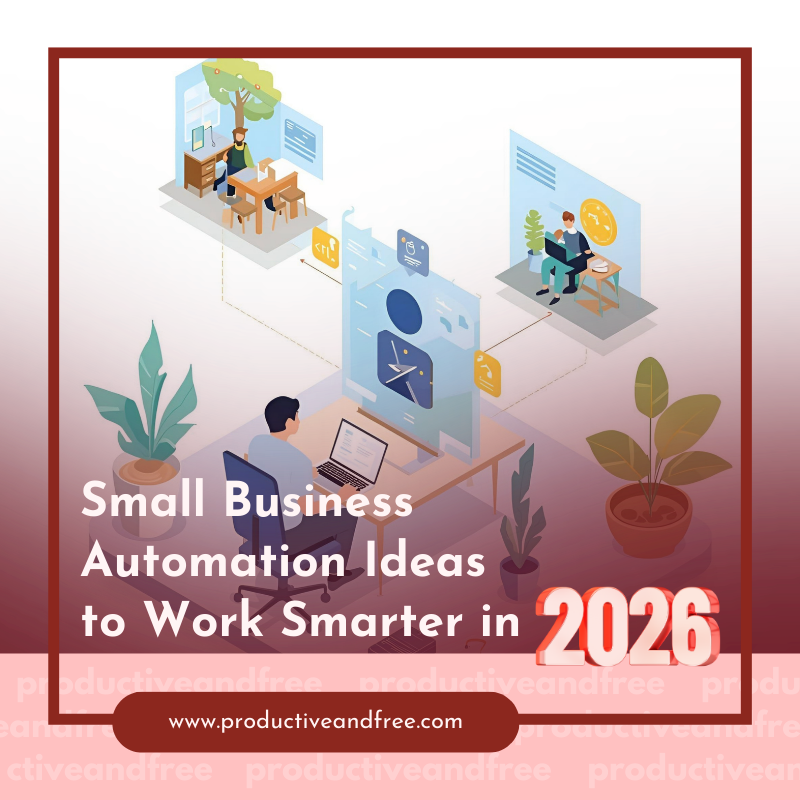
As you finish up for the day, the real work starts, counting cash, reconciling invoices, and responding to missed emails from the rush. It's the same grind every night, and it's stealing hours you could spend actually growing your business. The good news? Most of these time-draining tasks can run on autopilot in 2026. Here are the small business automation ideas that'll give you those hours back.
Why Automation Is No Longer Optional for Small Businesses
Small businesses play a crucial role in the U.S. economy. There are over 36 million small businesses in the United States, making up nearly 46% of all private sector employment, according to the U.S. Small Business Administration. That is a large part of the economy run by owners who juggle every role, including cashier, accountant, marketer, and customer service representative.
The pressure to do more with less isn't going away. According to McKinsey's 2025 "State of AI" report, 88% of organizations now use AI or automation in at least one business function. That number was 78% just a year earlier. And automating tasks isn't just enterprise-level stuff anymore. Affordable, plug-and-play tools have made automation accessible to coffee shops, boutiques, laundromats, and every small operation in between.
The bottom line? Your competitors are already automating. Here are the areas where you should start.
Common tasks small businesses are automating in 2026:
● Email marketing and customer follow-ups
● Cash handling and end-of-day reconciliation
● Social media scheduling and publishing
● Invoicing and payment collection
● Appointment booking and reminders
● Inventory management and reordering
● Customer support with chatbots
● Bookkeeping and expense tracking
Appointment Scheduling and Bookings
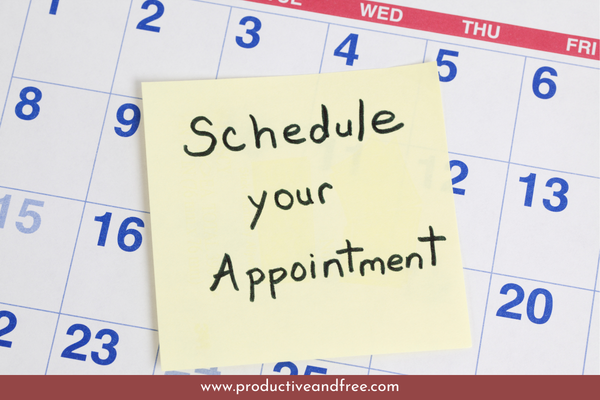
If you run a service-based business, the back-and-forth involved in scheduling appointments by phone or email can quickly become time-consuming. Online booking tools let customers see your real-time availability and reserve their own slots without any input from you. These systems send automatic confirmations, reminders before the appointment, and follow-up messages afterward. No-shows drop significantly when people get a reminder the day before.
Cash Handling and End-of-Day Reconciliation
If you're still counting cash by hand at the end of every shift, you already know how tedious and error-prone it is. A drawer that's off by even a few dollars means recounting everything, and it always seems to happen on the busiest nights.
A bill counter with built-in counterfeit detection automates the entire process in minutes. Brands like Kolibri have become popular with small businesses for this very reason. They offer affordable machines designed for coffee shops, retail stores, and laundromats that handle both counting and counterfeit detection in one step. Instead of spending 20 to 30 minutes manually verifying and tallying bills, you simply feed the stack in and get an accurate total almost instantly.
Email Marketing and Customer Follow-Ups
Customer interactions create valuable opportunities. Every time someone signs up for your mailing list, whether through a checkout form or a free ebook lead magnet, makes a purchase, or abandons a cart, there's an opportunity to connect with them. Doing that manually is impossible once you're dealing with more than a handful of customers a day.
Email automation tools let you set up welcome sequences, post-purchase check-ins, and re-engagement campaigns that send themselves based on customer behavior. You write the emails once, set the triggers, and the system handles delivery and timing. It keeps your brand top-of-mind without requiring you to sit at a computer drafting messages every afternoon.
Social Media Scheduling and Content Publishing
Maintaining a presence on social media is non-negotiable in 2026, but logging in three times a day to post content is a productivity killer. Scheduling tools let you batch-create a week's worth of posts in one sitting, then publish them automatically at optimal times. Automation makes sure your accounts stay active even during your busiest weeks, so you never go dark and lose momentum with your audience.
| Automation Area | Time Saved Per Week | Set Up Difficulty |
|---|---|---|
| Email Marketing | 3-5 hours | Easy |
| Cash Handling | 2-4 hours | Very Easy |
| Social Media | 3-6 hours | Easy |
| Invoicing | 2-3 hours | Easy |
| Appointment Scheduling | 3-5 hours | Very Easy |
| Inventory Management | 4-6 hours | Moderate |
| Customer Support | 5-10 hours | Moderate |
| Bookkeeping | 3-5 hours | Easy |
Invoicing and Payment Collection
Late payments can create significant challenges for small businesses. Chasing unpaid invoices is one of the most frustrating parts of running a small business, and late payments remain a widespread problem that strains cash flow for businesses of every size. Automation eliminates most of that headache by generating invoices the moment a job is completed or a product ships, then sending polite payment reminders on a schedule you set.
Most modern invoicing tools also accept online payments directly from the invoice itself, which removes friction for your customers and gets money into your account faster.

Inventory Management and Reordering
Running out of a best-selling product costs you sales. Overstocking ties up cash in inventory that sits on shelves. Either way, you lose. Inventory automation tracks stock levels in real time and can trigger reorder alerts or even place purchase orders automatically when items drop below a threshold you set. For businesses selling across multiple channels, automated syncing keeps quantities accurate everywhere.
Signs you need to automate inventory:
● You've oversold a product that was already out of stock
● You're updating spreadsheets manually across multiple sales channels
● Reorder decisions are based on gut feeling rather than real-time data
● Stockouts or overstock situations happen more than once a month
Customer Support and Bookkeeping
AI-powered chatbots handle common questions, like store hours, shipping status, and return policies, without any human involvement. This doesn't mean replacing personal service. It means filtering out repetitive inquiries so you can focus on conversations that actually need a human touch.
On the bookkeeping side, accounting tools connect directly to your bank accounts and credit cards, automatically pulling in transactions and categorizing them. Come tax season, everything is organized and ready for your accountant instead of being lost in a shoebox of receipts.
How to Get Started Without Getting Overwhelmed
You don't have to automate everything at once. Identify the one task that eats up the most time in your week or causes the most mistakes.
Start by automating that task first, get comfortable with the process, and then move on to the next bottleneck. If you're not sure where to begin, creating business systems for your core workflows can help you spot the biggest time sinks. Most tools offer free trials or affordable starter plans, and the learning curve is minimal with today's no-code platforms. Think of it less as a technology overhaul and more as hiring a tireless assistant who works for a flat monthly fee.
FAQs
What is the easiest small business task to automate first?
Email marketing is usually the simplest starting point. Most platforms offer templates, drag-and-drop builders, and pre-built sequences. You can set up a basic welcome email series in under an hour and start seeing results immediately.
How much does small business automation cost?
Most tools offer free or low-cost starter tiers that work perfectly for small operations. Expect to spend between $0 and $50 per month on each tool. The time savings alone typically justify the cost within the first few weeks.
Will automation replace my employees?
No. Automation handles repetitive, low-value tasks so your team can focus on work that requires creativity, judgment, and human connection. It makes your existing staff more productive rather than eliminating positions.
Do I need technical skills to set up automation?
Not anymore. Most modern platforms use drag-and-drop interfaces and step-by-step setup wizards. If you can use a smartphone, you can configure basic business automations without writing a single line of code.
Key Takeaways
● Small business automation is about reclaiming hours wasted on repetitive tasks, not overhauling your entire operation.
● Start with one high-impact area like email, cash handling, or scheduling before expanding.
● Most tools are affordable and require zero coding knowledge to set up.
● Automating cash handling with a bill counter eliminates counting errors and speeds up end-of-day reconciliation.
● Inventory, invoicing, and bookkeeping automation directly improve cash flow and reduce costly mistakes.
● Automation supports your team rather than replacing them. It frees people for work that truly requires a human touch.



















Share in the comments below: Questions go here
Ready to launch your dream business? Explore essential tips for finding the perfect opportunity that fuels your entrepreneurial ambitions.