
How To Take Over A Failing Business And Run It Properly

Failing businesses aren't always a liability; sometimes they can be an opportunity. Often, companies go underwater not because of something fundamentally wrong with the business model, how they operate, or their customers, but just because they've been run poorly and people haven't thought strategically about how to win. If you go into a new business, you'll need a turnaround plan. You'll also need to set realistic expectations and prepare thoroughly. Here's everything you need to know.
Evaluate the opportunity

The first step in a process like this is to evaluate the opportunity in front of you. You'll need to look for a distressed business for sale via business brokers, online marketplaces and bankruptcy filings.
The nice thing about these methods is that you can often pick up businesses for next to nothing. If they have no cash flow or they have a lot of debt, then you may not have to pay anything for them at all, or at least they'll be very cheap.
When evaluating an opportunity, ask why the business is failing. Sometimes there is nothing you can do and it needs to fail and go out of business. However, it could just be market shifts or management. In these cases, that may get work around that's profitable.
You also want to think about whether it has redeemable assets. If a company has intellectual property and a brand that people recognise, then it's much more valuable than a business that nobody has heard of. Of course, if the core business model can't be fixed, you'll want to leave it alone. Mentally changing how a company operates might seem feasible, but it's often very challenging to carry out in practice.
Perform Due Diligence

Performing due diligence is, of course, a non-negotiable when you're taking over a failing business. You need to find out what's gone wrong and why specifically it requires your help. This means going over the last three to five years of the company's financials in detail. If you need to do this with the help of an accountant, then hire one. Check things like the amount of debt the company has and how much payables age on average before the transaction finally occurs. Also, do the proper legal and compliance stuff. Make sure you assess the regulatory issues that the firm faces and any lawsuits that might be pending against it.
Another aspect of due diligence is to ask why customers are leaving. This doesn't usually happen by chance and it could be because of the firm's lack of growth control or competitive landscape.
Structure the Acquisition Properly

Lastly, you want to think about how you are going to structure the acquisition. You might want to make an asset purchase because these limits inherited liabilities. Another option is a stock purchase where you take shares in the equity of the firm. This is riskier because you are more responsible as the owner. Make sure you plan for immediate post-close needs. Check things like supplier renegotiations and rebranding. Sometimes you can rescue existing structures without having to form them from scratch again.
Transform your e-commerce operations with powerful tools that boost efficiency and streamline your business processes for optimal performance.
Unlock the secrets to financial resilience for business owners. Equip yourself with practical tips to strengthen your financial foundation and ensure stability.

Ensure your business runs smoothly with our expert strategies to maximize uptime and eliminate delays. Discover how to enhance efficiency today!

Is your marketing data at risk? Delve into the silent threats that could undermine your efforts and find out how to protect your critical information.

Explore the hidden costs of manual processes in insurance claims. Find out how optimizing workflows can significantly improve productivity and profitability.
Learn the vital role of strong documentation in boosting business security. Explore how it safeguards data, streamlines processes, and mitigates risks effectively.
Transform your sales approach with expert tips on outbound sales. Propel your growing business to new heights with actionable insights and strategies.

Uncover the benefits of workplace safety investments. Explore how prioritizing safety can improve employee morale and drive financial returns for your business.

Discover effective strategies for making informed decisions as your business expands. Learn to navigate growth challenges with confidence and clarity.
Enhance your business efficiency by streamlining operations with innovative cloud-based tools designed for seamless collaboration and productivity.
Ready to elevate your small business? Learn simple AI steps you can start using today to enhance productivity and drive growth effortlessly!
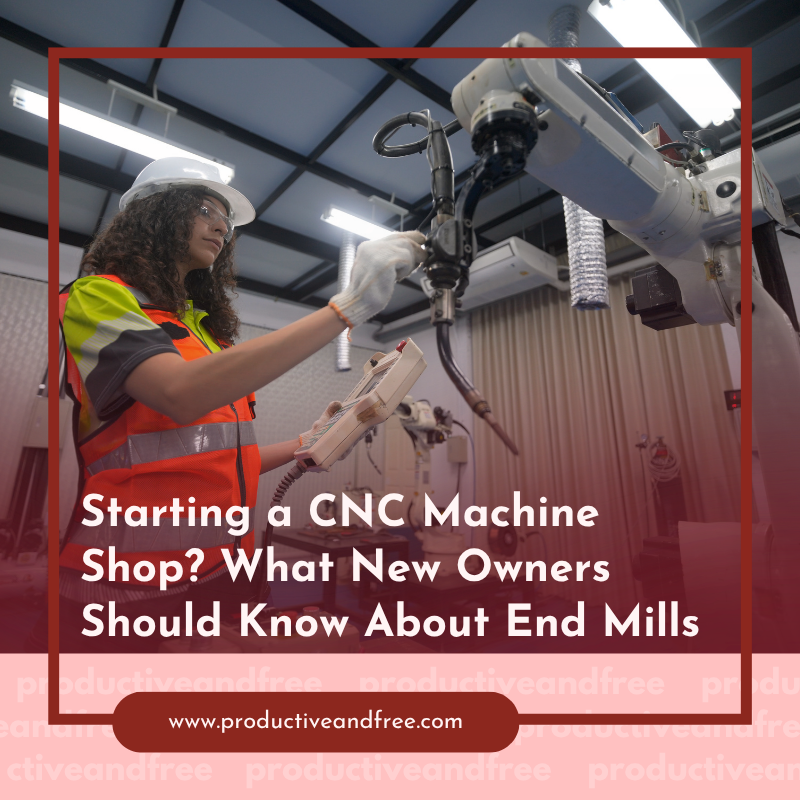
Discover essential tips for new CNC machine shop owners about end mills. Learn how to choose the right tools for precision and efficiency in your projects.

Unlock the secrets to sustainable success with The Green Business Blueprint. Learn to incorporate eco-friendly practices into your daily operations today!

Unlock the potential of your kitchen! Learn how investing in the right equipment can elevate your business efficiency and improve overall performance.

Learn why integrating a smooth online store is crucial for boosting your email list growth. Transform your business strategy and engage customers like never before!
Discover how local sports and fitness hubs can foster a culture of emergency readiness, ensuring safety and preparedness for all participants.

Learn how to overcome operational challenges with cutting-edge smart hardware solutions that promote industrial continuity and streamline processes.

Unlock the secrets to building a reliable online payment system for high-risk merchants. Enhance security and streamline transactions effortlessly!
Ready to reclaim your time? Learn how to automate your business effectively and focus on what truly matters. Start your journey to efficiency today!

Uncover the hidden signs of ant infestations that pest control professionals notice. Equip yourself with knowledge to keep your home ant-free!
Is your service business struggling with call response time? Explore essential insights and strategies to improve efficiency and delight your customers!

Uncover the secrets to hosting a corporate event that stands out. Engage your audience and ensure your event is remembered long after it concludes.

Ensure your sports field project is in good hands! Discover the 7 essential questions to ask before hiring a contractor for a successful build.

Transform your service business with automation! Learn effective strategies to enhance productivity and free up time for growth and innovation.
Discover how to boost productivity in your service business by automating key processes. Streamline operations and focus on what truly matters!
Learn to master team work hours and boost productivity. Transform your team's efficiency and collaboration for outstanding results!

Transform your life with essential software tools designed for intentional lifestyle planning. Invest in your well-being and embrace a healthier, happier you!

Struggling to keep up? Learn the 7 signs that signal when it's time for entrepreneurs to bring in a virtual assistant and lighten the workload.

Discover the essential steps to launch your career in manufacturing engineering, from education requirements to gaining practical experience in the field.
Share in the comments below: Questions go here
 Productive and Free
STRATEGIC TIME-SAVING TEMPLATES TO HELP YOU GROW YOUR DREAM BUSINESS
Discover the top 5 signs that your hiring process may be driving away talented candidates. Improve your recruitment strategy and attract the best talent today!