
How to Reduce Overwhelm in Everyday Life
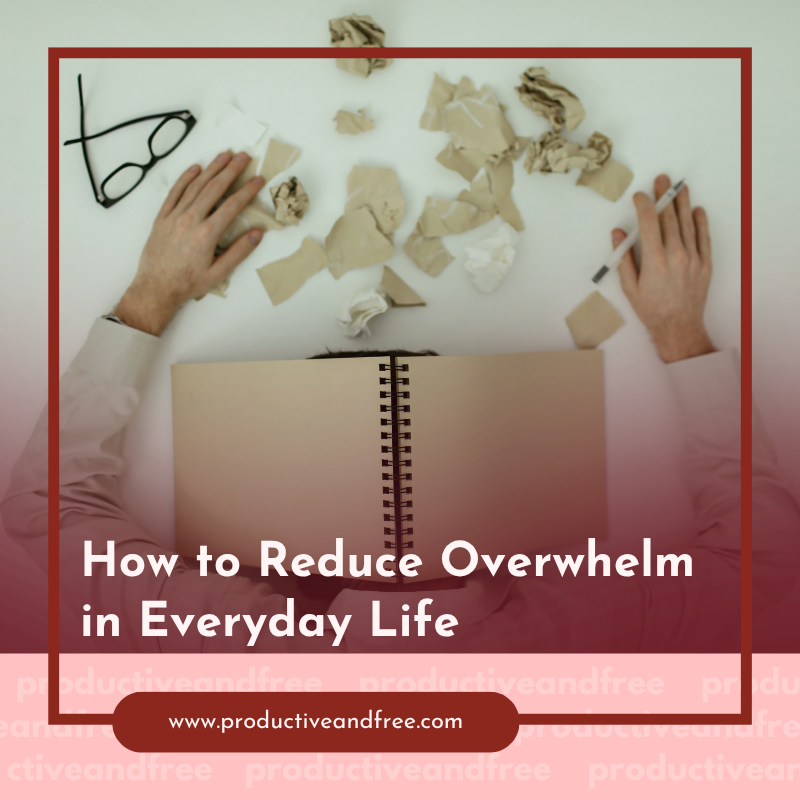
You know those days that just feel a bit… crowded? There’s just so much going on, your mind is full up and busy, and you’re multi-tasking (probably not very well) without meaning to, and you might even be wishing the time away, which happens a lot, but isn’t an ideal situation to be in. It’s just this constant sense that you’re being totally stretched to the limit, and it gets harder and harder to settle down to do anything.
What makes it worse is that overwhelm tends to come from ordinary things, like work tasks, household jobs, plans you agreed to ages ago and now you’ve got to go to them, and all of it adds together. You don’t necessarily have too much to do, but you do have too much to think about at the same time, and that’s what makes it all so stressful. With that in mind, if you think it would be useful to know how to reduce overwhelm in everyday life, keep reading to find out more.

Narrow Your Focus
One small thing you can do is basically narrow your focus, so instead of scanning everything that you have to do, choose one thing and stick with it, even if you think you should be doing something else.
It sounds like a simple thing to do, but it can have a big impact because it stops your brain from switching around, meaning it (and you) gets less tired. And once you finish one task, you’ll get a bit of momentum, and that momentum makes the next thing easier, and then the next, and gradually it all feels a lot easier to deal with.
You Don’t Have To Do It All Today
There’s a bit of a tendency to think that if you’re going to be productive, you’ve got to do it all, right now. And that’s not too bad of a plan if you’ve only got a couple of things to do, but if you’ve got a long to do list, it’s just going to make you more stressed and overwhelmed than you need to be. That’s because the truth is that most things don’t actually need to happen today, they just need to be planned into your schedule in a place that makes sense so they’re out of your head and you can get some relief.
That fact is that breaking things into smaller, more realistic chunks changes everything for the better. For example, instead of saying, quite vaguely and broadly, you’ve got to sort out your finances, you can just pick one part of the task and do that - it’s a start on the whole, and you know you can get it done in a shorter amount of time. Yes, it’s slower, but it reduces overwhelm, so you’ll probably get more done in the end.
Write Things Down
Keeping everything in your head really takes a lot of effort - you have to keep repeating reminders to yourself, and you’ll constantly be worrying that you’ll forget something. And guess what? That’s going to get pretty overwhelming. However, if you write things down, it means your thoughts have somewhere to live, and that means they’re not always circling around your brain, getting in the way and causing problems.
It can be really simple too, like using a notebook, or downloading a specific app that’s just for your day-to-day chores, and so on. The point is, once the tasks are more visible, you can prioritise them properly, and you’ll tend to notice that some of the things you thought were really urgent can actually wait.
Share Responsibilities
Another reason you can feel quite overwhelmed is because it feels like it’s you and you alone who has to do it all - you’ve got to make decisions at work, you’ve got responsibilities at home, you’ve got to plan for the future and also deal with the here and how, and it can all blend together into one big - overwhelming - job.
That’s why delegating where and when you can is a great idea, and it can definitely take some of the burden off your shoulders. We’re not saying you’ve got to completely step away from whatever the job happens to be, but it’s worth taking a look and seeing what someone else could help you with, because then you’ll see that you don’t have to do everything by yourself, and even just realising that can be good for your stress levels. For example, if you’ve got a property to manage as well as everything else, working with experts like Leah Jay Property Management means that you’ll have more time and energy for everything else, which is exactly what you’ll want.
Even sharing little jobs, like housework and cooking, and knowing when to ask for help is going to be important, and it might be hard to start with, especially if you’re used to just getting it done by yourself, but once you see the difference it makes, you’ll probably want to do more.
The Role Of Imperfection
You might find you get more overwhelmed when you’ve got high expectations about whatever it is you’re doing - you want things done properly, and you want everything organised, and you don’t want to miss anything, and so on. And although that does sound pretty reasonable, the fact is that perfection doesn’t exist, and trying to get there just slows everything down, which means even tasks that should be quite quick end up taking ages.
If you can just allow things to be good enough, that’s going to help massively - you’ll finish tasks more quickly, you’ll make decisions faster, and you’ll stop getting stuck. And don’t worry, we’re not saying you’ve got to totally lower your standards, but it’s worth knowing that not everything you do needs the same level of attention.
Final Thoughts
You can’t just do one thing once and suddenly not feel overwhelmed anymore, and it probably will take a bit of time to get there, but if you can slowly and surely start to make some changes, you’ll also slowly but surely feel press stressed and more motivated, and that can really do a lot.























Share in the comments below: Questions go here
Transform your sales approach with expert tips on outbound sales. Propel your growing business to new heights with actionable insights and strategies.