
Key Skills Every Nursing Student Develops During Training
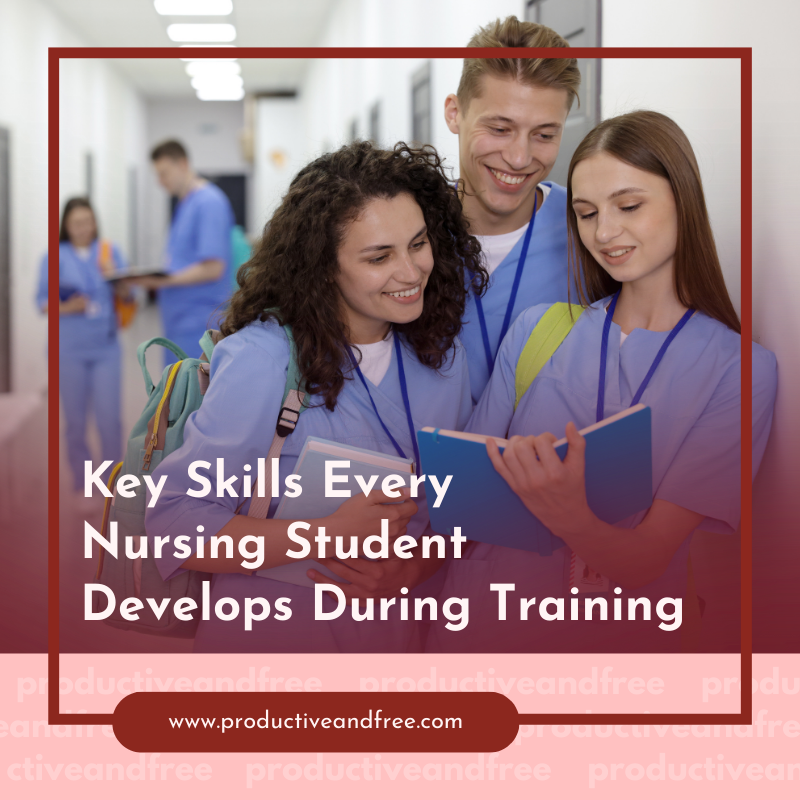
Entering a nursing program can be demanding and exciting at the same time. From the very first day of training, students will begin to develop a wide range of skills that will extend well beyond the textbooks and exams that they have to take.
Nursing education is designed to prepare students for real-world healthcare environments where adaptability and competence, as well as professionalism, are all essential. Each stage of training will build up practical abilities that will support both academic success and career readiness in the future.
Becoming a nurse involves much more than learning medical terminology or even procedures. It requires the development of skills and habits that are going to shape exactly how students communicate, respond and think when they are under pressure.
Developing Strong Communication Skills
Clear communication is one of the most important skills that you need in nursing. During training, students are going to learn about how to communicate effectively with patients, health care teams and instructors. This includes being able to listen very carefully and asking all the right questions.
They will also learn how to explain information in a way that makes it easy for others to understand. Nursing programs emphasize communication because it will directly affect the safety of patients and the quality of care they receive.
Students will practice both verbal and written communication which will help them to become much more confident and professional when they are in clinical settings.

Learning Time Management and Organization
Nursing students usually learn very quickly how to manage their busy schedules because they have to manage clinical hours, coursework, personal responsibilities, as well as study. This requires some very strong organizational skills.
Training environments often encourage students to prioritize their tasks and plan ahead. This way they'll be able to manage their deadlines efficiently.
These time management skills are all critical when they are in a healthcare setting. Nurses will often have to juggle multiple responsibilities all at once.
Learning this type of discipline during training will prepare students for the fast-paced nature of this career path.
Gaining Hands-On Clinical Experience
Practical experience is at the core of nursing education. Through labs as well as clinical placement, students will be able to apply classroom knowledge in real-world environments. This type of hands-on training is going to build confidence and help students understand just how theory translates into patient care.
As a nursing student, exposure to real healthcare environments will also help to clarify your career goals as well as your expectations. Students will gain insights into their daily responsibilities while developing intrapersonal as well as technical skills.
Building Critical Thinking and Problem-Solving Abilities
In healthcare, situations will often require that students make quick and informed decisions. Nursing education focuses very heavily on critical thinking. Students are asked how to assess situations, respond appropriately, and evaluate information.
Instead of memorizing answers, students learn how to think through some very complex scenarios. This type of problem-solving mindset is going to help students to adapt to changing conditions and to make decisions in real clinical environments.
Over time, all of these skills will become second nature and support them in being confident in their practice.

Uncover the benefits of workplace safety investments. Explore how prioritizing safety can improve employee morale and drive financial returns for your business.
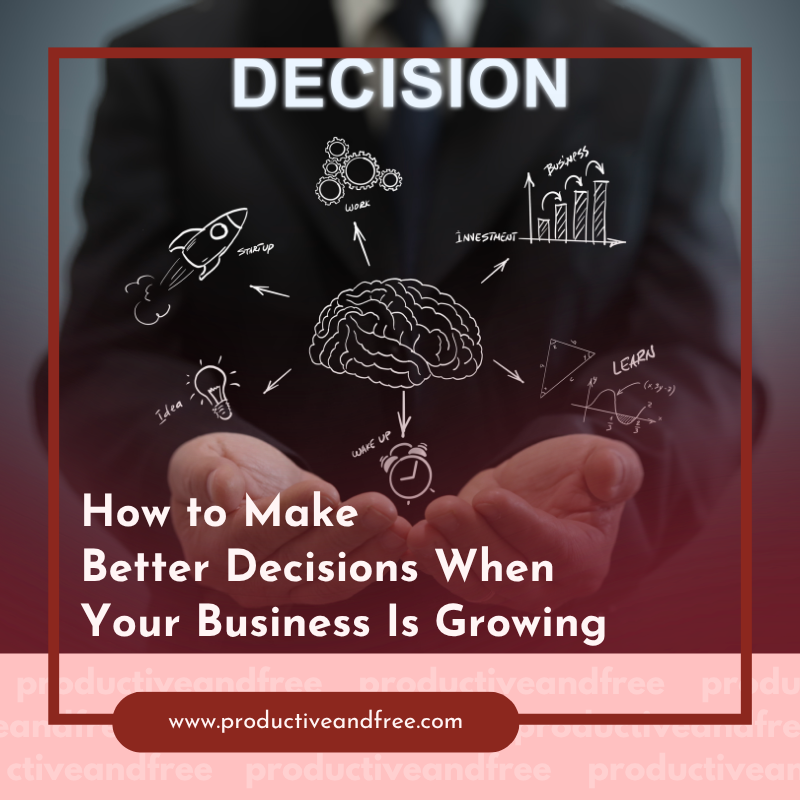
Discover effective strategies for making informed decisions as your business expands. Learn to navigate growth challenges with confidence and clarity.
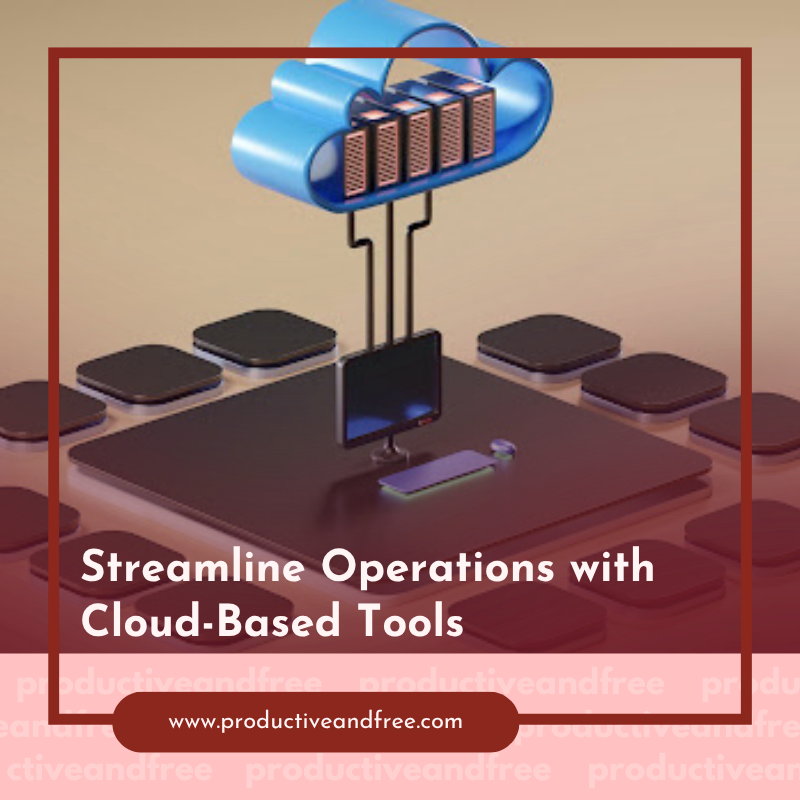
Enhance your business efficiency by streamlining operations with innovative cloud-based tools designed for seamless collaboration and productivity.
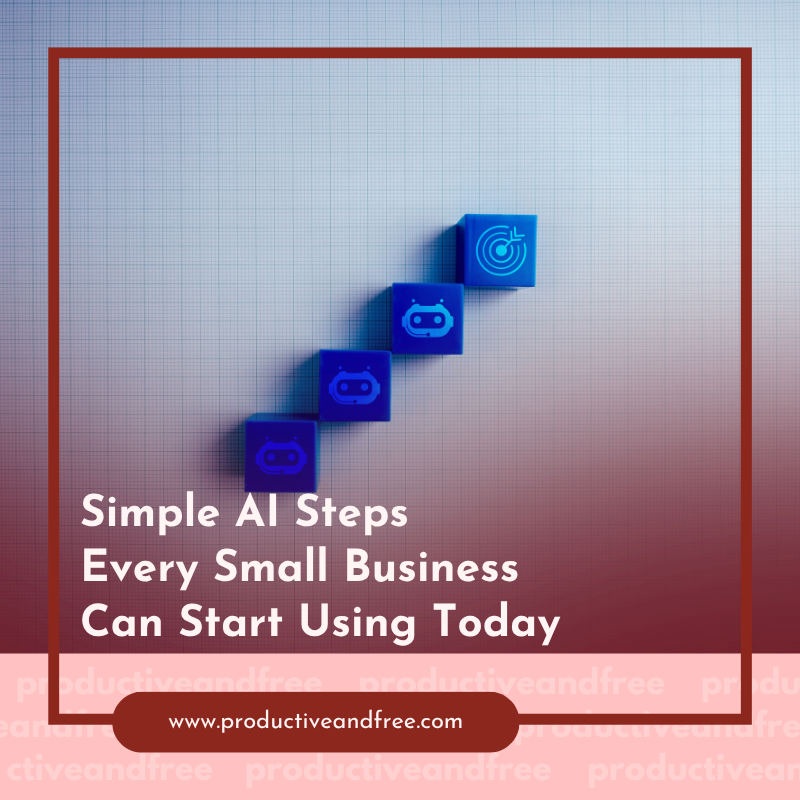
Ready to elevate your small business? Learn simple AI steps you can start using today to enhance productivity and drive growth effortlessly!
Discover essential tips for new CNC machine shop owners about end mills. Learn how to choose the right tools for precision and efficiency in your projects.

Unlock the secrets to sustainable success with The Green Business Blueprint. Learn to incorporate eco-friendly practices into your daily operations today!

Unlock the potential of your kitchen! Learn how investing in the right equipment can elevate your business efficiency and improve overall performance.

Learn why integrating a smooth online store is crucial for boosting your email list growth. Transform your business strategy and engage customers like never before!
Discover how local sports and fitness hubs can foster a culture of emergency readiness, ensuring safety and preparedness for all participants.

Learn how to overcome operational challenges with cutting-edge smart hardware solutions that promote industrial continuity and streamline processes.

Unlock the secrets to building a reliable online payment system for high-risk merchants. Enhance security and streamline transactions effortlessly!
Ready to reclaim your time? Learn how to automate your business effectively and focus on what truly matters. Start your journey to efficiency today!

Uncover the hidden signs of ant infestations that pest control professionals notice. Equip yourself with knowledge to keep your home ant-free!
Is your service business struggling with call response time? Explore essential insights and strategies to improve efficiency and delight your customers!

Uncover the secrets to hosting a corporate event that stands out. Engage your audience and ensure your event is remembered long after it concludes.

Ensure your sports field project is in good hands! Discover the 7 essential questions to ask before hiring a contractor for a successful build.

Transform your service business with automation! Learn effective strategies to enhance productivity and free up time for growth and innovation.
Discover how to boost productivity in your service business by automating key processes. Streamline operations and focus on what truly matters!
Learn to master team work hours and boost productivity. Transform your team's efficiency and collaboration for outstanding results!
Transform your life with essential software tools designed for intentional lifestyle planning. Invest in your well-being and embrace a healthier, happier you!

Struggling to keep up? Learn the 7 signs that signal when it's time for entrepreneurs to bring in a virtual assistant and lighten the workload.

Discover the essential steps to launch your career in manufacturing engineering, from education requirements to gaining practical experience in the field.

Protect your business with top security tools! Explore our guide to the best solutions for safeguarding your data and ensuring peace of mind.

Success in business requires more than just capital. Dive into the vital elements that foster growth and resilience in your entrepreneurial journey.

Discover how to plan a landscaping project that maximizes your ROI. Learn expert tips and strategies to enhance your outdoor space and increase property value.

Equip your small construction project for success! Explore our guide on selecting the best tools and machinery to ensure smooth and efficient operations.

Transform your property development approach with efficiency-boosting techniques. Explore tips to streamline operations and achieve successful project delivery.
Elevate your business efficiency by making informed equipment choices. Explore our guide to optimize performance and maximize your resources effectively.

Learn how to enhance your medical practice's efficiency without compromising patient care. Explore actionable tips for a better healthcare experience.
Share in the comments below: Questions go here
 Productive and Free
STRATEGIC TIME-SAVING TEMPLATES TO HELP YOU GROW YOUR DREAM BUSINESS
Transform your sales approach with expert tips on outbound sales. Propel your growing business to new heights with actionable insights and strategies.