
The Unique Complications That Come With Marketing A Healthcare Business
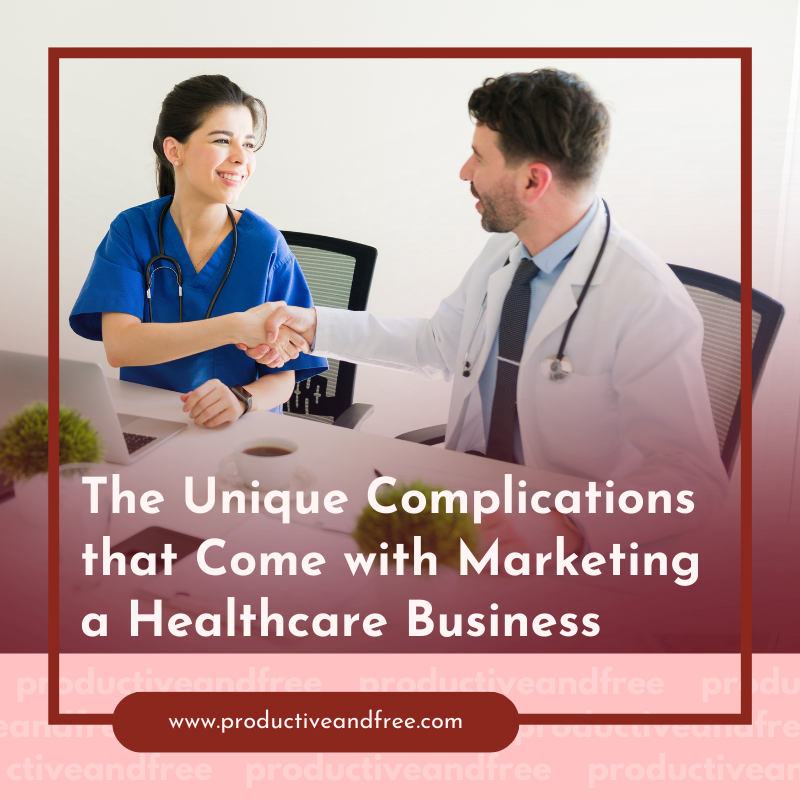
Different industries require different marketing approaches, and each one can have its own set of challenges. No better example of this exists than the healthcare industry. When you start a business in this sector, it creates unique complications that other companies don’t have to deal with. It’s all to do with the nature of your business, the services you provide, and the people you target.
You can boil much of the difficulty down to the fact that you’re looking for patients rather than customers. People will come to you seeking medical or health & well-being advice, which alters your entire approach to marketing. Speaking of which, you’ll find all of the biggest and most unique challenges facing healthcare marketing teams.
Specific Healthcare Regulatory Requirements
All businesses face marketing and advertising regulations that they must follow. The most obvious of which is that you can’t make claims or promote false promises. In the healthcare industry, this takes on even more importance. Many advertising platforms will stop you from promoting certain things if you’re a medical company - and the general marketing regulations are way stricter.
But that’s only the start.
Marketing a healthcare company is even more challenging because you deal with things like HIPAA compliance, which affects your ability to handle customer data. Simple tasks - like collecting information from your website and using data to empower future marketing decisions - become harder to do. You end up needing a HIPAA-compliant healthcare marketing platform to ensure you’re not breaching any laws or regulations. It makes the whole task of promoting your business and analyzing your marketing efforts a little bit tougher.

A Completely Different Customer Journey
With a healthcare business, your “customers” are your patients, which automatically means they approach your business differently from how they might approach a non-healthcare business. It’s less about a customer doing some research and looking for products or services, they might want. Instead, patients will research your business because they need something to help them in some way.
This could be a massage to help with chronic pain, medication to soothe an ailment, surgery to treat a medical condition, and so on.
It changes your entire approach to marketing because you’re no longer focused on things like customer engagement or trying to be overly promotional. They are on an entirely different customer journey, meaning your goal revolves around building trust and presenting them with enough facts so they can make a decision. At the end of the day, you’re targeting people in need. This makes your target audience very vulnerable, which must be reflected in how you market your products/services - focus on empathy and compassion, avoiding the hard sell.
Toeing The Ethical Fine Line
Continuing on from above, healthcare businesses are in a tough spot ethically. You need to market your business to make money, but you also can’t use this as an excuse to prey on people who might be sick or suffering from chronic pain. Businesses in other sectors don’t have to worry about ethical marketing that much. Who cares if you overstate the benefits of your accounting software to make it look better than a competitor's? There’s nothing unethical about creating adverts that position your clothing items as the best of the best.
In the healthcare industry, ethics matter.
It is unethical to try and make bold claims that embellish what your products/services can do. It’s also unethical if you use fear as a tool to convince people to book a consultation or buy what you sell. You can’t play on people’s medical conditions or pain as a way of promoting your business. The hardest part is toeing the ethical fine line - you need to give people loads of information and hit them with facts, you also want to show that your product/service is beneficial, but you don’t want to go over the line and seem like you’re taking advantage of them.
Targeting Different Audience Segments
With most businesses, you’ve got a clear audience and buyer persona to target. A business-to-consumer company will target individual consumers who are interested in its products. A business-to-business company targets key decision-makers within commercial organizations. There’s rarely a crossover where one business targets consumers, but also business customers, especially not in the same marketing campaigns.
One of the unique complications that come with marketing a healthcare business is that you don’t always have a clear customer profile. Often, you’re targeting different audience segments at once, such as:
● Individuals looking for their own healthcare solutions
● Family members trying to help someone they care about
● Carers looking for possible solutions
● Medical professionals who may use your products in their practice
Multiple people might look for what you offer, though each one has a different reason or goal in mind. It adds to the challenges when creating marketing material because you need to make it relevant to everyone.
Decoding Medical Jargon
The healthcare world is full of complex terms and jargon. An average person won’t know what half of the things you’re talking about mean. Yes, other industries have the same problem, but when you’re dealing with health or medical things, it’s even more important to seek clarity.
A huge part of your marketing campaign should revolve around decoding medical jargon and providing simple information to everyone. People should read your services/product descriptions and understand what they are, how they’re beneficial, and so on. It shouldn’t be difficult for them to get on the right page.
At the same time, you can’t make it too simplistic, as this risks giving people the wrong information! Again, you’re toeing another very fine line as you attempt to give clear and accurate information that’s not too complex but also not too trivial.
Looking back at this blog post, you should now be able to see just how complicated things are when marketing a healthcare business. As well as the usual marketing grips, you’ve also got to deal with all of the above. It means marketing campaigns and strategies require more effort, and they can look completely different from those of other companies in alternative industries.

























Share in the comments below: Questions go here
Transform your sales approach with expert tips on outbound sales. Propel your growing business to new heights with actionable insights and strategies.