
How 3D Medical Animations Save Time in Teaching and Demonstrating Procedures
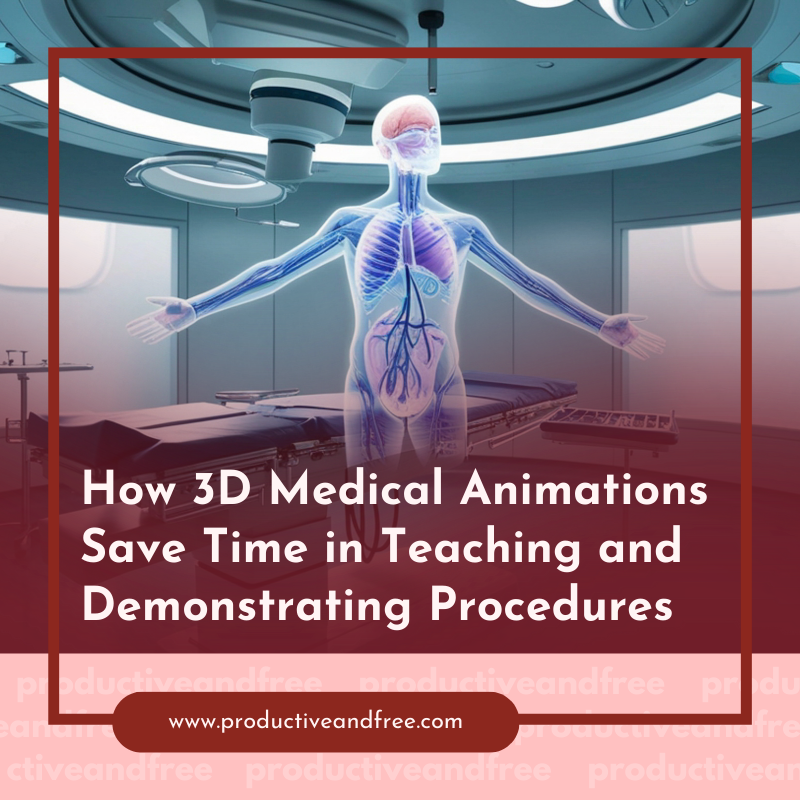
The training of medicine and procedures has always been based on effective demonstrations to ascertain accuracy and comprehension. Traditional techniques such as textbooks, live demonstrations and still images may be very resource-intensive and time-consuming and at other times fail to enable the learner to imagine complex processes. With the advent of 3D medical animation, the world has changed in how professionals and students learn and acquire knowledge, being a more efficient and engaging method of learning. These visual tools enable complex processes and biological principles to be illustrated in an easy way thus saving time for both the teacher and the students.
The 3D medical animations make the content more interactive and dynamic, and, thus, eliminate repetitive explanations and protracted lectures. They enable learners to view processes from different perspectives, stop and restart essential parts and get an overall insight within a less amount of time. In any area where visual representation matters a lot, the capacity to present information visually, in detail, may be of great advantage to training quality and retention, and increase the quality as well as speed of training.
Enhancing Visualization in Medical Training
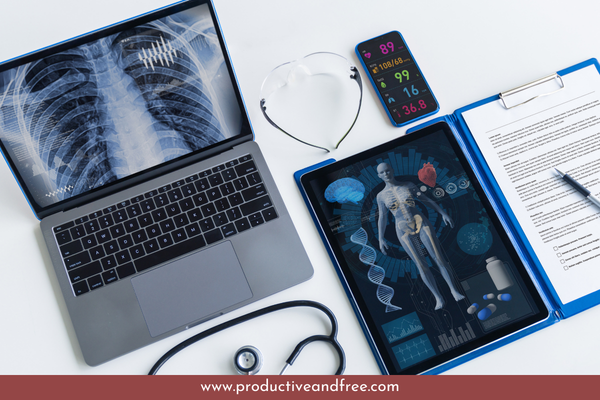
It can be tricky to visualize complicated anatomy and steps of the procedures using traditional techniques. Three-dimensional relationships are not easily understood in flat pictures or through written explanations by the students and even by the medical practitioners and this is where 3D medical animations come in to help students and even the medical practitioners to convert the abstract concepts into the concrete reality of visual stimulus. These animations simulate human anatomy, cellular processes and surgical procedures which help them to study in a more interactive and easier to remember learning environment.
Scientific animation further enables the instructors to focus on certain areas of interest, show the variation, and stress important steps which may be missed in live demonstrations. This accuracy curbs the chances of errors and makes sure that learners concentrate on what is important in each of the procedures. The way 3D medical animations enhance visualization facilitates the teaching process and enables an educator to teach more in the same duration.
Reducing Time in Skill Demonstration
Students who have traditionally been taught procedural skills have to undergo a lot of preparation, coordination, and rehearsal. Live demonstrations may be time consuming, especially when a large number of learners are involved or when the instructors are required to perform a given procedure several times to help learners understand what is expected. 3D medical animation removes most of these logistical problems as they offer a reusable tool that clearly shows the steps that a learner should take during a given procedure.
Animations can be understood at a pace the learners feel comfortable with, with them being allowed to repeat the challenging areas without necessarily being under the watch of a teacher. This ability not only reduces the total training time but also enables the students to develop confidence and mastery before trying actual real-life procedures. The 3D medical animation saves a lot of time in the classroom and clinical setting by cutting down on the reliance on recurring demonstrations.
Supporting Remote and Large-Scale Education
The recent surge in need of remote learning and scalable education has led to the heightened importance of 3D medical animation. They may be distributed electronically, incorporated in online classes or as part of virtual classrooms and training can be provided at various locations. This feature is especially useful in medical schools where there are many students or professionals that have to be educated without affecting the quality of instructions.
Scientific animation will keep all learner participants in the same demonstration and as such, there will not be much variation between teachers and their understanding. Furthermore, pauses, slowdowns and repetitions can be applied to these animations as required and this allows the learner to examine complex procedures step by step without fear of being limited by time like in a live session. This method minimizes scheduling, traveling needs and other logistical issues, thus making education fast and convenient.
Facilitating Communication Between Professionals
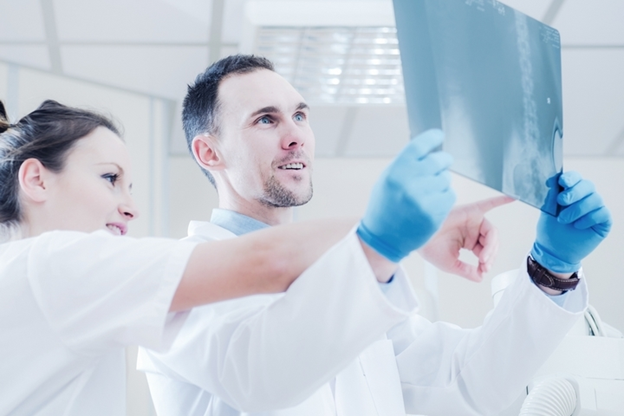
In addition to educating learners, 3D medical animations can be used as a useful tool of professional communication. Nurses, surgeons, and other medical workers frequently have to present procedures and treatment plans or novel methods to other colleagues. The conventional explanation technique can create confusion especially when dealing with complicated anatomy or steps.
With the help of detailed animation, the professionals will be able to present the information promptly and correctly using visual means. This helps to save time in explaining verbal descriptions and all parties have an accurate picture of the procedure. Scientific animation can be used to work effectively and make decisions, which in the end leads to better patient outcomes and saves time when discussing the topic professionally.
Improving Patient Education
Patient education is an essential aspect of health care, particularly among patients who are facing complicated procedures or surgeries. Verbal or still picture explanation of procedures may not be adequate, and the patient may end up not knowing or may even end up being nervous. The 3D medical animation enables the patient to see the process, be aware of possible risks and see the steps used in their treatment.
Visual explanations make a consultation process simpler and help avoid the repetitions of the clarifications. Patients will be more assured of the choices they make and will abide by treatment plans when they clearly understand what to expect. The 3D medical animations save time for healthcare providers and increase patient engagement to promote efficiency in the overall healthcare experience.
Conclusion
The 3D medical animation is a tremendous development that has been applied in the field of medicine and medical training as well as in communication and care of patients. These animations save time by showing easy, correct and reusable demonstrations to the instructors, learners and healthcare providers. The complex processes can be visualized, comprehended, and shared more effectively with the help of scientific animation, which decreases repetition and enhances the level of understanding.
With the ongoing changes in technology, the use of 3D medical animations in the medical industry is bound to increase, with improved prospects of learning and simplifying the entire medical process. These visual tools pose a chance of rapid and effective training, with high standards of precision and safety, which can be guaranteed by the institutions by adopting them. The implementation of these animations in education and professional practice is a major move towards an efficient and informed medical fraternity.


























Share in the comments below: Questions go here
Ensure your sports field project is in good hands! Discover the 7 essential questions to ask before hiring a contractor for a successful build.