
Do Keywords Still Matter On Websites

In the early days of SEO, keywords were king. But do they still hold the same power? Or are you better off focusing on other factors like speed, backlinks and security to boost a site’s rankings? In this post, we’ll explore a brief history of how use of keywords has evolved over the years.
The original search signposts
The first search engines worked by directly matching search terms to keywords. If a webpage used the exact keyword ‘leather corner sofa’ multiple times, it had a high chance of ranking highly for that search term. Unfortunately, website designers cottoned onto this quickly and began stuffing pages with specific keywords to the point that sentences would become spammy and unreadable. It also made it possible for irrelevant webpages to climb the rankings simply by using the same word repeatedly.
The penalization of stuffing
In 2003, Google released its first major algorithmic update, ‘The Florida Update’, and became the first search engine to penalize keyword stuffing. Released just before the holiday season, it caused many online retailers to lose their high rankings overnight and greatly affected their Christmas sales, causing a lot of backlash. Google vowed to never release an update immediately before Christmas ever again. However, this update did largely have a positive impact - transforming SEO from manipulative ‘black hat’ tactics to a focus on high quality, relevant content.
The Hummingbird Update
‘The Hummingbird Update’ in 2013 further changed the way that search engines viewed keywords. Google began factoring in related keywords rather than solely exact matches, creating a greater shift away from stuffing towards semantics. Other algorithmic changes like the Helpful Content Update have continued to put the focus on content quality. Webpages are no longer built around keywords, but instead search intent.
The importance of keyword research
Hiring an SEO agency has become increasingly necessary in order to rank highly. SEO specialists are able to use keyword research tools to determine which relevant keywords to use. Keyword factors such as search volume and competition need to be considered, and keywords need to be strategically placed within the content to make an impact.
A small part of the SEO puzzle
Many updates over the years have brought in other algorithmic factors. A Google update in 2010 made site speed an important component for websites to consider. Mobile-friendliness meanwhile became an important factor in 2015. These updates put more emphasis on the design of a website rather than purely its content. As for backlinks (hyperlinks leading from other websites), these have been an important SEO factor since Google was founded.
Do keywords still matter?
Keywords do still matter, but simply repeating the same keyword on a page is no longer enough to rank highly for that search term. Keyword relevance and placement is important - using keywords is now more of delicate science and requires using research tools to help. It’s also important to balance out keywords with other elements such as high quality content, backlinks, responsive design and fast loading. Keywords are still central to it all, but they are not the be all and end all.
Learn to master team work hours and boost productivity. Transform your team's efficiency and collaboration for outstanding results!
Transform your life with essential software tools designed for intentional lifestyle planning. Invest in your well-being and embrace a healthier, happier you!

Struggling to keep up? Learn the 7 signs that signal when it's time for entrepreneurs to bring in a virtual assistant and lighten the workload.

Discover the essential steps to launch your career in manufacturing engineering, from education requirements to gaining practical experience in the field.

Protect your business with top security tools! Explore our guide to the best solutions for safeguarding your data and ensuring peace of mind.

Success in business requires more than just capital. Dive into the vital elements that foster growth and resilience in your entrepreneurial journey.

Discover how to plan a landscaping project that maximizes your ROI. Learn expert tips and strategies to enhance your outdoor space and increase property value.

Equip your small construction project for success! Explore our guide on selecting the best tools and machinery to ensure smooth and efficient operations.

Transform your property development approach with efficiency-boosting techniques. Explore tips to streamline operations and achieve successful project delivery.

Elevate your business efficiency by making informed equipment choices. Explore our guide to optimize performance and maximize your resources effectively.

Learn how to enhance your medical practice's efficiency without compromising patient care. Explore actionable tips for a better healthcare experience.

Explore the benefits of wholesale buying for teams and the scenarios where retail shines. Make smarter purchasing choices for your organization today!

Uncover the truth behind the cheapest quotes! Explore how they often compromise quality and lead to unexpected expenses. Make informed choices today.

Unveil the power of architectural rendering to showcase your product pre-construction. Attract interest and drive sales with eye-catching, detailed imagery.

Explore how outsourcing administrative tasks can streamline operations for smart businesses. Increase efficiency and focus on growth with expert help!

Strengthen your employment rights claim with essential workplace records. Find out which documents can make a difference in your case today!

Unlock the secrets to successful product launches with smart PR tactics. Make your next launch smooth and impactful with our expert tips

Don't let disputes derail your business! Explore our essential tips for managing conflicts early and keeping your company thriving and relationships intact.

Uncover the essential steps to develop a professional brand that captivates potential employers and opens doors to new opportunities. Begin your transformation!

Uncover the essential steps to develop a professional brand that captivates potential employers and opens doors to new opportunities. Begin your transformation!

Explore the critical role of dependable network infrastructure in boosting business productivity through enhanced connectivity and streamlined workflows.

Discover when it's time to hire a CPA for your business! Learn about the key signs and benefits of professional financial guidance to boost your success.

Discover how modern switchboards can elevate your business operations, enhance communication, and boost efficiency. Upgrade today for a smarter future!

Maximize your efficiency with global communication strategies! Explore ways to improve teamwork and boost productivity in a connected world.

Simplify your event planning with our essential checklists! Stay organized and ensure every detail is covered for a successful event.

Discover how prioritizing workplace safety can enhance your productivity. Learn effective strategies to create a safer, more efficient work environment!

Unlock the potential of automation in your law firm. This practical guide offers strategies to reduce repetitive tasks and improve overall productivity.
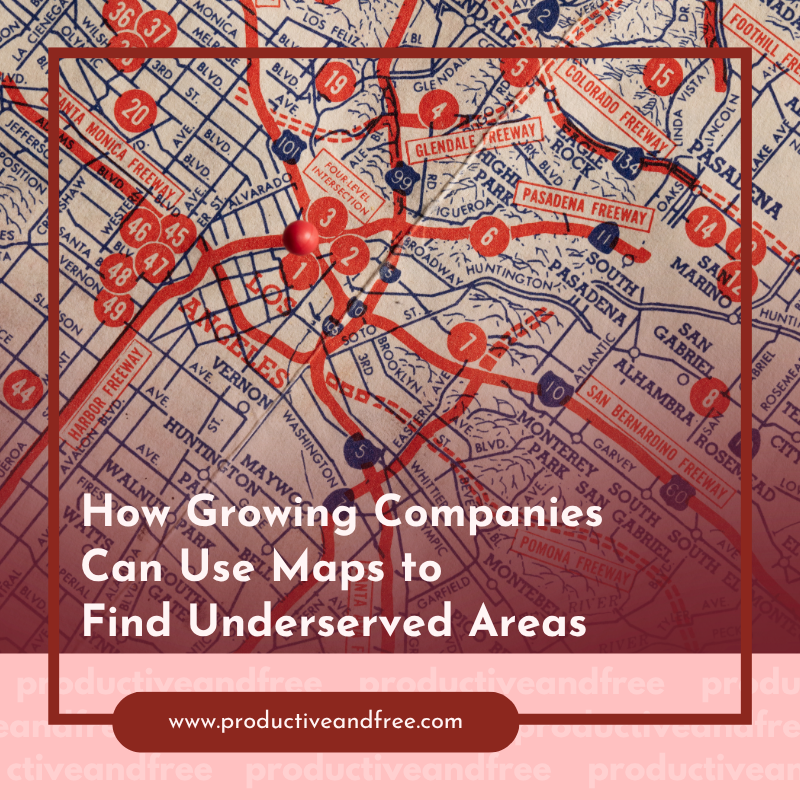
Learn how maps can empower growing companies to analyze local communities, optimize outreach, and tailor services to meet specific regional needs.

Transform your business by implementing streamlined practices that benefit both your operations and the environment. Explore sustainable solutions today.
Share in the comments below: Questions go here
 Productive and Free
STRATEGIC TIME-SAVING TEMPLATES TO HELP YOU GROW YOUR DREAM BUSINESS
Discover how to boost productivity in your service business by automating key processes. Streamline operations and focus on what truly matters!