
Optimizing Last Mile Delivery to Boost Business Productivity
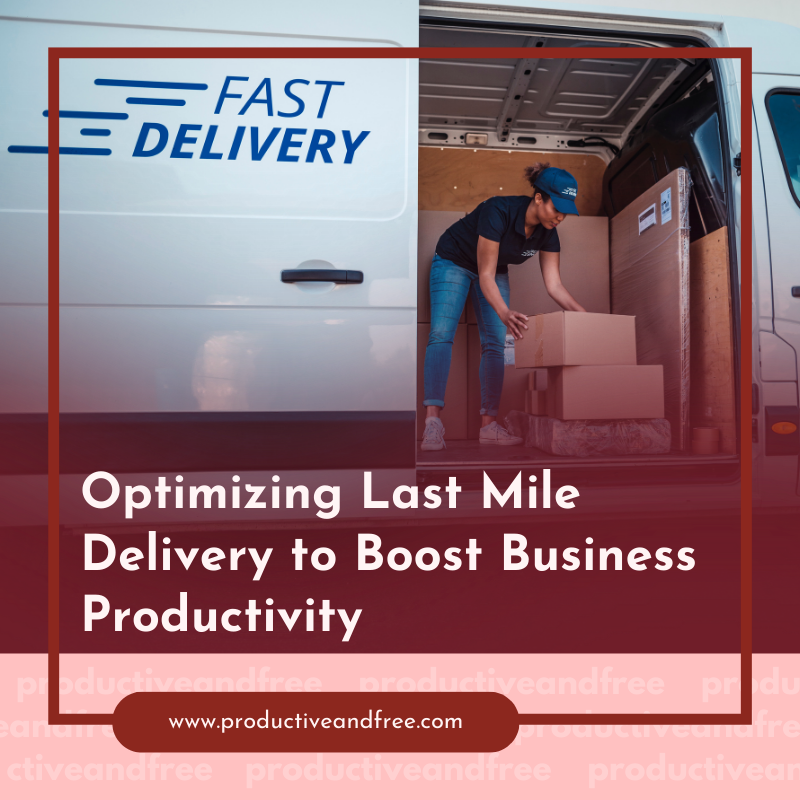
One of the most essential phases in the modern supply chain is the last mile delivery, which directly predetermines the level of customer satisfaction and efficiency inside the organization. With the growing consumer demand and the shortening of the delivery timeframe, organizations are forced to deliver at the correct speed and with the correct accuracy. The process of maximizing this last step not only involves a faster transportation process but also concerns smarter coordination, planning, and resource utilization. When managed properly, the gains made in this area can be translated into tangible benefits in productivity in the whole organization.
Operational Efficiency
The optimization of delivery routes and schedules will decrease the level of wasted time, fuel, and labor and enable the teams to make more deliveries during the working hours. Drivers do not spend time idling or do backtracking when the routes are planned according to real information, including traffic patterns and density of deliveries. This performance directly enhances the productivity of the day-to-day and reduces the operational strain on the employees.
Better coordination of teams at the warehouse and delivery teams also results due to better operational efficiency. Efficient handoff procedures will make sure that packages are ready and delivered punctually, eliminating any delays that will echo throughout the day. Consequently, employees will not have to spend their time on the elimination of issues that could have been avoided, which will enhance the stability of the entire workflow.
Cost Management
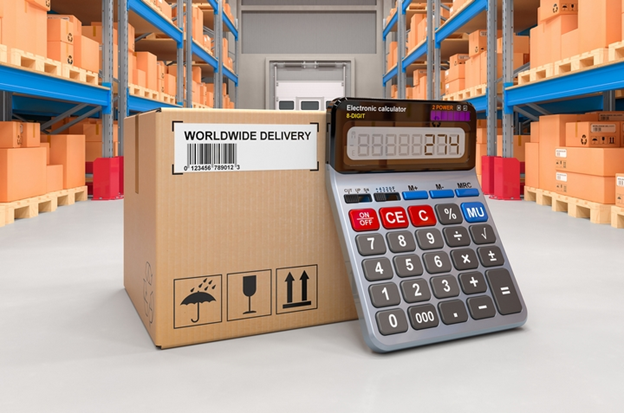
Transportation cost is one of the greatest costs of most businesses and inefficient final delivery stages tend to raise the cost. Companies can cut down on fuel consumption and maintenance costs significantly by increasing optimum utilization of vehicles and also decreasing the failed attempts to deliver the goods. These savings are released to invest in growth or human resource development.
Good management of cost also enhances decision making since the cost of delivery is better visualized. Understanding where the money is spent will enable the businesses to make sound decisions on whether to scale up or reduce the level of services. This financial transparency enables long-term productivity improvements as opposed to short-term solutions over time.
Customer Satisfaction
Customer perceptions of a brand make significant contributions through reliable and timely deliveries. Customers will trust and the number of inquiries regarding customer support reduces when the orders are delivered within the promised time. The result of this decrease in service problems is that internal teams can work on value-driven activities rather than dealing with complaints or corrections.
Consistency in the performance of last mile delivery also helps to promote repetition of business and positive recommendations. When customers are given reliable service, chances are that they will make subsequent orders and refer others to the company. Such natural growth will decrease the necessity of intensive sales activities, which will in turn translate to an indirect increase in productivity through the stabilization of demand and operations.
Technology Integration
Computerized applications like route optimization programs and real-time tracking systems increase visibility in the delivery operations. Such technologies assist managers to locate the bottlenecks in a short period of time and also revise plans before things get out of control. By having superior information, teams would be able to act proactively as opposed to responding to issues only after the problems have been experienced.
The integration of technology also enhances communication between the drivers, dispatchers and customers. Automatically updated information saves time and lowers the level of misunderstandings. This efficient communication saves all involved parties time and adds to a productive and responsible delivery process.

Strategic Partnerships
The cooperation with specific providers may contribute to the business expanding its delivery operations without overloading its internal capabilities. 3PL logistics services may provide expertise, infrastructure, and flexibility that many businesses cannot achieve effectively themselves. Outsourcing some of the delivery services allows companies to concentrate on their areas of specialization and still deliver quality services.
Other benefits of strategic partnerships include access to a larger delivery network and superior tools. These would be able to enhance coverage and speed, and internal complexity could be minimized. In the long term, these partnerships lead to an increase in productivity as they tend to match resources to the goals of the business and the needs of the market.
Conclusion
The use of last mile delivery is not one of the changes but an endless process of improvement which involves operations, costs, and customer experience. One improvement leads to another, and a more efficient and resilient delivery system is developed. Companies that undertake this optimization usually realize increased productivity that spans into other functions other than logistics.
Companies can go beyond the issue of delivery and turn it into competitive advantage by integrating operational planning, technology and strategic alliances. The consequence is more efficient organization that satisfies the expectations of the customers and keeps the cost under control and leads to growth in the long term.






















Share in the comments below: Questions go here
Learn how to enhance your medical practice's efficiency without compromising patient care. Explore actionable tips for a better healthcare experience.