
Why Your Environment Is Sabotaging Your Output More Than Your To Do List
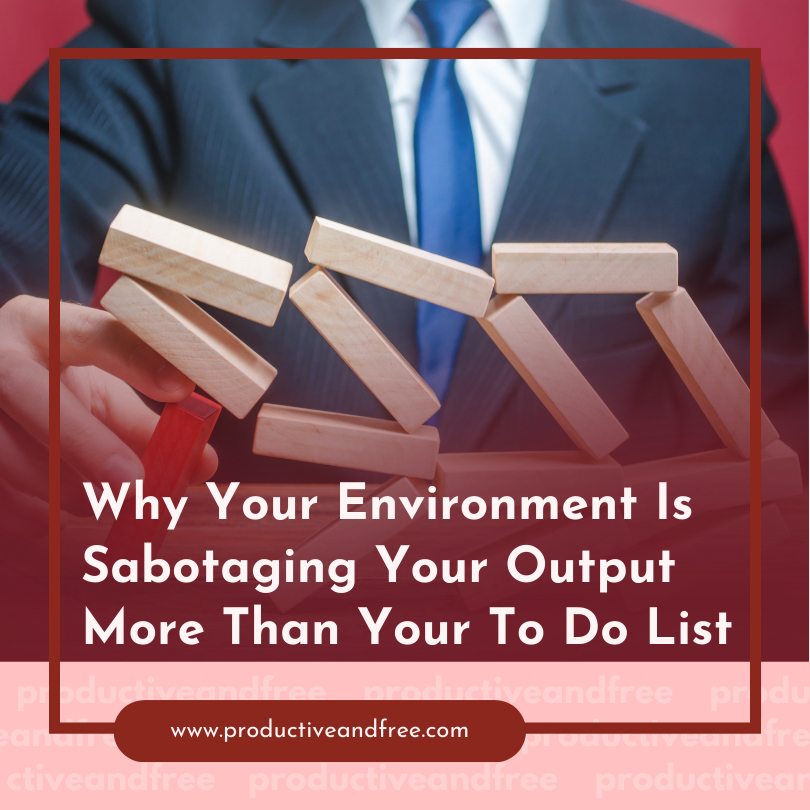
There are times when your output is often impacted by your mood and motivation to do the work at hand. However, your environment can also play a part in it. When you’ve got a to-do list that’s as long as your arm, it can be frustrating when you’re feeling demotivated and not as enthused about working on that list.
In this guide, we’ll look at why your environment is sabotaging your output and how to fix it so that every day can be a productive one.
How your environment can sabotage you
There are many ways in which the environment can end up sabotaging you. These include the following:
Lack of clarity
An environment that doesn’t have clear boundaries or dedicated zones will often blur priorities and make it difficult to get focused within the space. When you’re coming into an office or study space, you’re more likely to be able to do the work successfully.
Distractions
From notifications on your phone to messy desks or a cluttered digital space, it triggers your brain’s reward system for switching your tasks.
Those distractions can often cause you to avoid completing the deep work required and the work that often needs to take priority.
Decision fatigue
With too many choices within your environment, whether it’s what to look at next for work or a full washing machine that needs emptying, decision fatigue can set in, depleting your willpower that’s often required for the benefit of complex tasks.
Physical cues
Your desk setup can directly impact your motivation and well-being, which is why it’s important that you improve this setup so that it’s productive. From a comfortable chair to good lighting and an organized space, it’s all crucial to have.

How to improve your home environment without sabotaging your output
With all that being said, how can you tackle your home environment so that it can be improved and not sabotage your output?
Create friction for distractions
Consider turning off notifications, making use of website blockers, and putting your phone in another room to help keep those distractions at bay.
Designate physical spaces
Physical spaces should ideally be designated, with a clean desk used for deep work and a separate area for any communication or quick tasks that need to be done. The use of corporate housing can be helpful when employees need a productive workspace that also provides them with a place to live.
Prioritize ruthlessly
Consider using methods like time-blocking or using the Ivy Lee Method, which involves concentrating on the top three tasks instead of using endless lists. Structuring your environment to help support these few priorities is essential.
Build systems
Automating or simplifying routine tasks is better than doing them manually. They require less willpower and fewer decisions, which frees up mental energy often required for high-impact work.
Your environment can often be sabotaging your output, so using these tips will help you get more out of your to-do list as a result this year.
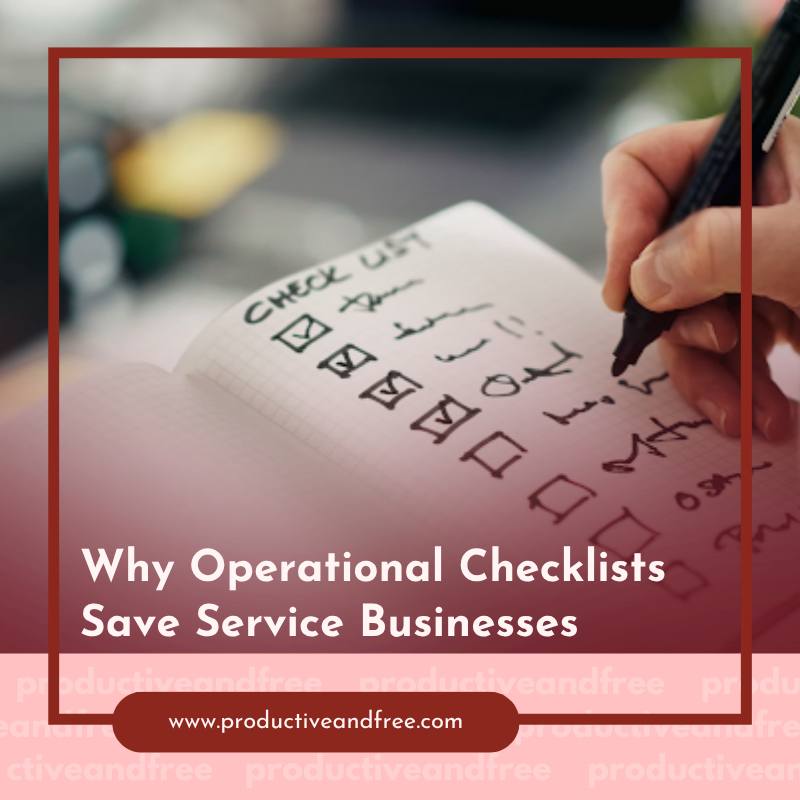
Explore the benefits of operational checklists for service businesses. Increase productivity, reduce errors, and ensure top-notch service delivery with ease!

Maximize your Canva lead magnets to generate daily traffic. Explore effective techniques to attract more visitors and enhance your online presence!

Start your journey in electronics manufacturing with our essential guide for new entrepreneurs. Gain insights to launch and grow your business effectively.

Unlock the potential of local news for your business growth. Explore effective ways to engage with your community and boost your brand's presence!

Ready to launch your dream business? Explore essential tips for finding the perfect opportunity that fuels your entrepreneurial ambitions.

Elevate your business with a strategic corporate event plan. Explore the benefits of effective planning for brand growth and impactful networking opportunities.

Turn your property into a powerful income-generating asset. Explore strategies to unlock its potential for passive income and secure your financial future!

Maximize productivity by streamlining your field operations. Explore effective solutions that drive efficiency and elevate your team's performance!
Learn how managers can help employees prioritize tasks with clear goals, deadlines, communication, planning, technology and workload reviews.

Discover how small businesses can leverage AI technology to streamline website launches, enhancing efficiency and reducing time to market.
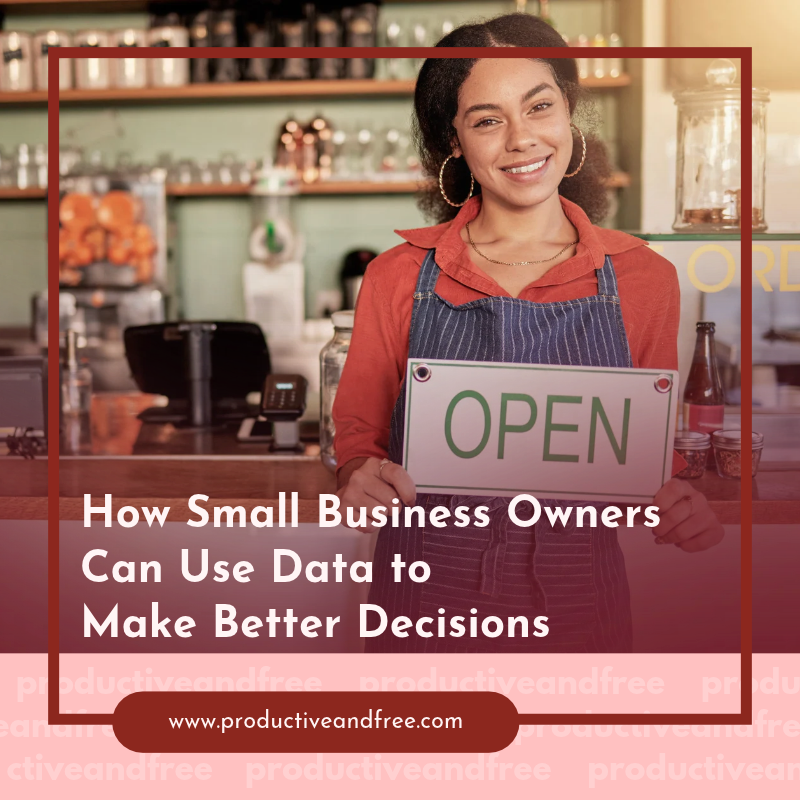
Learn how data-driven insights can empower small business owners to make informed decisions and boost their success. Start transforming your strategy now!
Explore the hidden effects of your business environment on success. Learn how to leverage these insights for strategic growth and improved performance.

Enhance your business efficiency by avoiding costly interruptions. Explore effective strategies to streamline operations and drive success!

Discover the top 5 signs that your hiring process may be driving away talented candidates. Improve your recruitment strategy and attract the best talent today!
Transform your e-commerce operations with powerful tools that boost efficiency and streamline your business processes for optimal performance.
Unlock the secrets to financial resilience for business owners. Equip yourself with practical tips to strengthen your financial foundation and ensure stability.

Ensure your business runs smoothly with our expert strategies to maximize uptime and eliminate delays. Discover how to enhance efficiency today!

Is your marketing data at risk? Delve into the silent threats that could undermine your efforts and find out how to protect your critical information.

Explore the hidden costs of manual processes in insurance claims. Find out how optimizing workflows can significantly improve productivity and profitability.

Learn the vital role of strong documentation in boosting business security. Explore how it safeguards data, streamlines processes, and mitigates risks effectively.

Transform your sales approach with expert tips on outbound sales. Propel your growing business to new heights with actionable insights and strategies.

Uncover the benefits of workplace safety investments. Explore how prioritizing safety can improve employee morale and drive financial returns for your business.
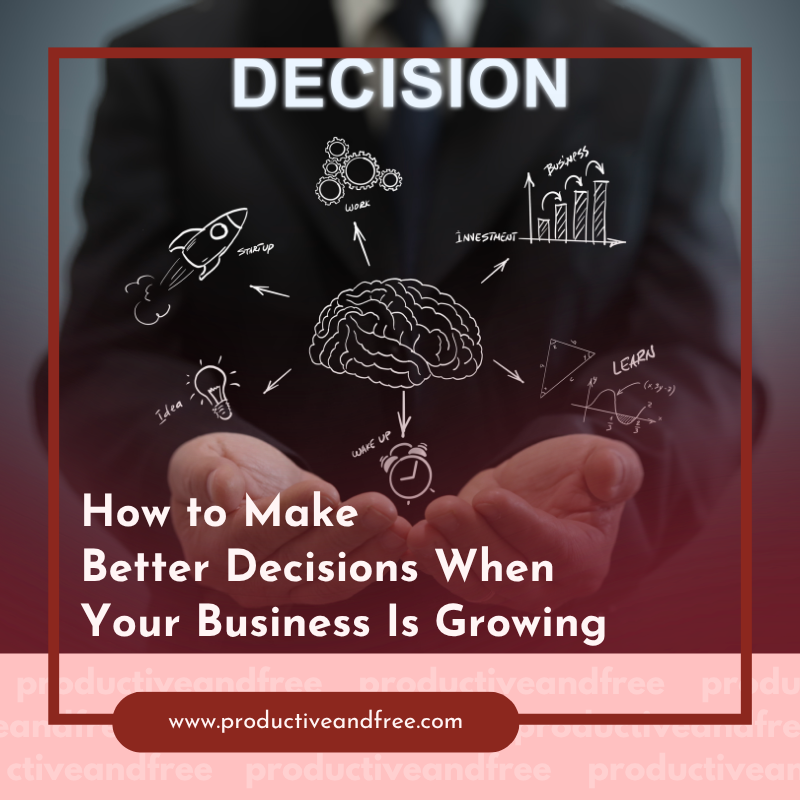
Discover effective strategies for making informed decisions as your business expands. Learn to navigate growth challenges with confidence and clarity.
Enhance your business efficiency by streamlining operations with innovative cloud-based tools designed for seamless collaboration and productivity.
Ready to elevate your small business? Learn simple AI steps you can start using today to enhance productivity and drive growth effortlessly!
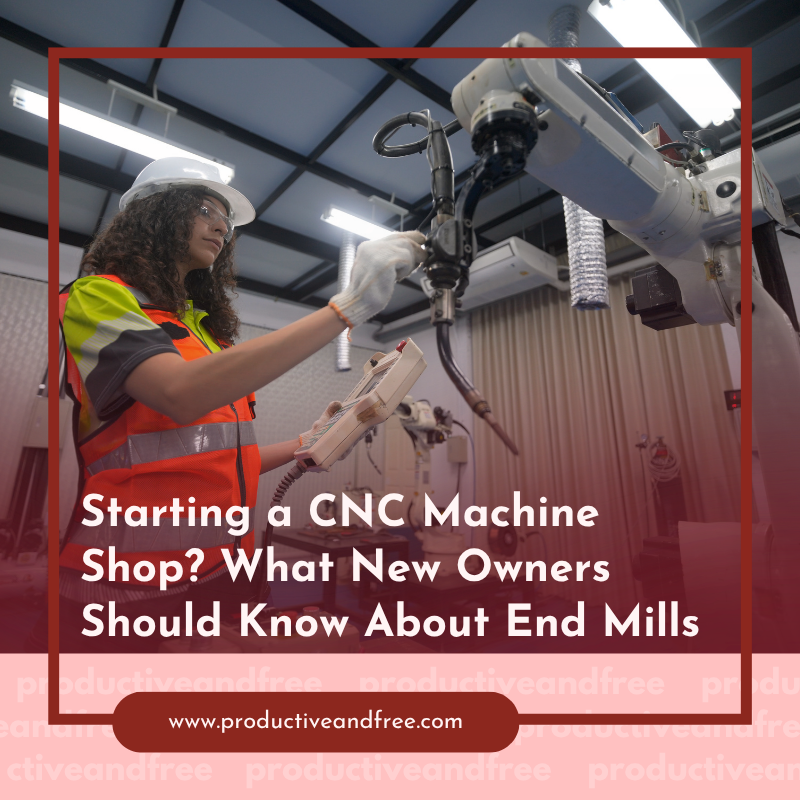
Discover essential tips for new CNC machine shop owners about end mills. Learn how to choose the right tools for precision and efficiency in your projects.
Unlock the secrets to sustainable success with The Green Business Blueprint. Learn to incorporate eco-friendly practices into your daily operations today!

Unlock the potential of your kitchen! Learn how investing in the right equipment can elevate your business efficiency and improve overall performance.

Learn why integrating a smooth online store is crucial for boosting your email list growth. Transform your business strategy and engage customers like never before!
Share in the comments below: Questions go here
 Productive and Free
STRATEGIC TIME-SAVING TEMPLATES TO HELP YOU GROW YOUR DREAM BUSINESS
Discover how traveling can enhance your understanding of customer needs and preferences. Learn valuable insights to boost your entrepreneurial success.