
Simple Ways Healthcare Teams Can Work Faster and Smarter
Healthcare teams today are under immense pressure as medical practices try to meet growing demand for services, as evidenced by services like the UK’s NHS. When teams don’t work as well as they can, it opens them up to mistakes, which can be deadly. So, what can they do? From establishing roles and responsibilities to streamlined workflows, here are some ideas.
Learning to Use Fundamental Tools
Like any type of job, medical teams rely on fundamental tools for working efficiently and safely. Learning how this work, why they are used, and the safety protocols around them can help bring peace of mind to patients while empowering medical staff to work to the best of their ability. One example is a G Tube, which bypasses the mouth to deliver nutrients and medication directly to the stomach. This can be off-putting for patients if they don’t understand it well.
Establish Clear Roles
Mistakes are made in medical settings, and indeed any kind of workplace. When a team member is unsure of their role, it can lead to dereliction of duty and confusion over deciding. Of course, this can have tragic consequences in a clinical setting, putting patients, staff and the establishment at risk. Every team member must know and understand their roles and responsibilities when at work in order to understand their specific function within the team.

Healthcare Teams Need to Collaborate
A recent article over at JP Medicals Recruitment details that over 70% of medical staff agree that collaboration is essential. Where collaboration and interteam communication were once limited, there are many ways of enhancing collaboration in a medical setting today. Teams will work to a safer standard and have the confidence to meet challenges with access tools such as cloud-based contribution, encouraging open dialogue and using integrated online platforms.
Streamline Medical Workflows
A well-run clinic ensures everyone stays safe and secure. From patients to medical team members, everyone can benefit from streamlined workflows. In many medical settings, the staff is already overworked and underutilized, and there are always efficiency improvements that can be made. Something as simple as grouping non-urgent tasks into specific time blocks will help teams make better use of limited time, keeping energy, morale and the pace of work.
Embrace How AI Can Help
Artificial intelligence is more than a fleeting buzzword and is actually transforming many industries today. Medical teams can embrace AI and the features it offers for helping a clinic run more efficiently. AI tools for scheduling and automated admin tasks are becoming more popular, and even services like the NHS are investing heavily in this to reduce massive backlogs. This allows caring and expert medical teams to focus more on providing patients with better care.
Summary
Learning the fundamentals of common tools and services will help medical teams work much more efficiently. Collaboration is also a useful tool that can reduce confusion and empower teams. However, services like the NHS are investing in AI because of the benefits it can offer. This includes automated administration tasks that free up staff to provide medical care.

Explore the benefits of wholesale buying for teams and the scenarios where retail shines. Make smarter purchasing choices for your organization today!

Uncover the truth behind the cheapest quotes! Explore how they often compromise quality and lead to unexpected expenses. Make informed choices today.

Unveil the power of architectural rendering to showcase your product pre-construction. Attract interest and drive sales with eye-catching, detailed imagery.

Explore how outsourcing administrative tasks can streamline operations for smart businesses. Increase efficiency and focus on growth with expert help!

Strengthen your employment rights claim with essential workplace records. Find out which documents can make a difference in your case today!

Unlock the secrets to successful product launches with smart PR tactics. Make your next launch smooth and impactful with our expert tips

Don't let disputes derail your business! Explore our essential tips for managing conflicts early and keeping your company thriving and relationships intact.

Uncover the essential steps to develop a professional brand that captivates potential employers and opens doors to new opportunities. Begin your transformation!

Uncover the essential steps to develop a professional brand that captivates potential employers and opens doors to new opportunities. Begin your transformation!

Explore the critical role of dependable network infrastructure in boosting business productivity through enhanced connectivity and streamlined workflows.

Discover when it's time to hire a CPA for your business! Learn about the key signs and benefits of professional financial guidance to boost your success.

Discover how modern switchboards can elevate your business operations, enhance communication, and boost efficiency. Upgrade today for a smarter future!

Maximize your efficiency with global communication strategies! Explore ways to improve teamwork and boost productivity in a connected world.

Simplify your event planning with our essential checklists! Stay organized and ensure every detail is covered for a successful event.

Discover how prioritizing workplace safety can enhance your productivity. Learn effective strategies to create a safer, more efficient work environment!

Unlock the potential of automation in your law firm. This practical guide offers strategies to reduce repetitive tasks and improve overall productivity.

Learn how maps can empower growing companies to analyze local communities, optimize outreach, and tailor services to meet specific regional needs.

Transform your business by implementing streamlined practices that benefit both your operations and the environment. Explore sustainable solutions today.

Elevate your sales strategy with AI feedback. Learn how to transform conversations and boost performance for better customer interactions.
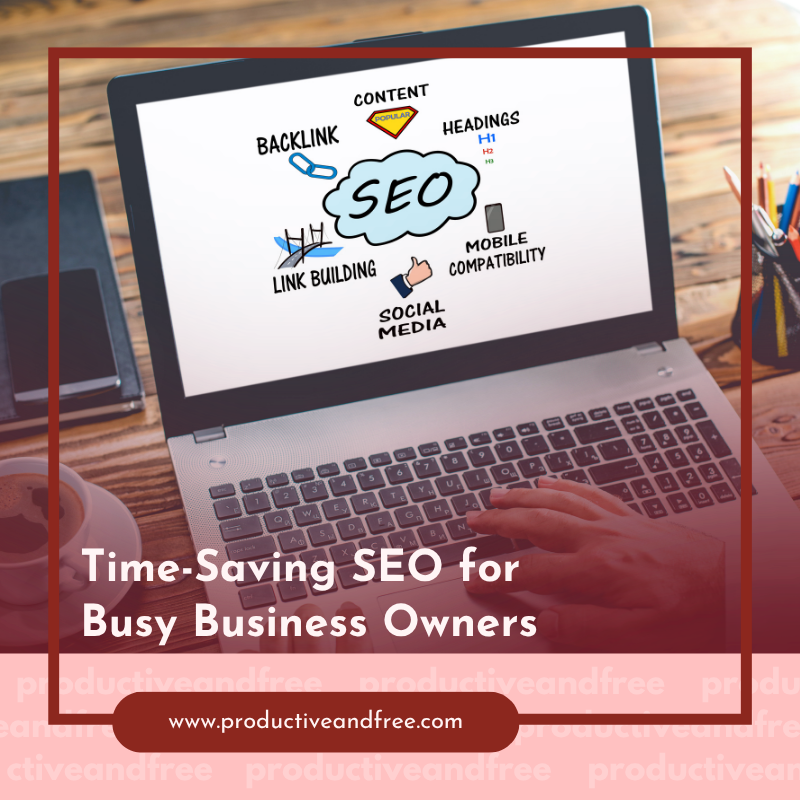
Learn how to implement quick and effective SEO techniques that fit into your busy schedule. Elevate your business's online performance effortlessly.

Learn the essential steps to develop an AI roadmap that fosters business growth. Transform your strategies and leverage AI for competitive advantage.
Unlock the secrets to mastering your online presence with our strategic guide designed for busy founders. Boost your visibility and engagement today.

Transform your clinic's operations for superior patient care. Explore innovative solutions to optimize workflows and elevate the patient experience.

Discover effective strategies to scale your agency by expanding your service offerings. Learn how to attract more clients and boost your revenue today.

Discover why a reliable internet connection is crucial for successful remote work, enhancing productivity, communication, and collaboration in today's digital landscape.

Explore the process by which discrimination lawyers turn employee complaints into legal cases, championing the fight against workplace injustice.

Discover how discrimination lawyers transform employee complaints into powerful legal cases, ensuring justice and protection for workers' rights.

Learn how to accurately size a metal building for your business needs. Maximize efficiency and investment with our comprehensive sizing guide.

Learn how better food labeling printers can transform your restaurant kitchen efficiency with five practical strategies for improved organization and productivity.
Share in the comments below: Questions go here
 Productive and Free
STRATEGIC TIME-SAVING TEMPLATES TO HELP YOU GROW YOUR DREAM BUSINESS
Learn how to enhance your medical practice's efficiency without compromising patient care. Explore actionable tips for a better healthcare experience.