
Improving Machine Reliability With Better Connection Solutions
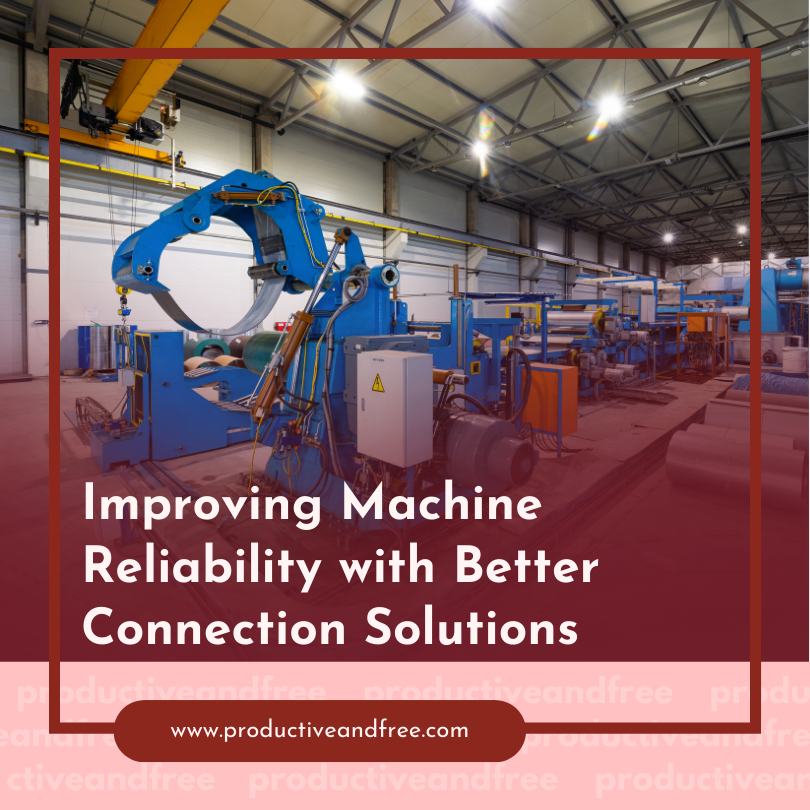
Keeping machines running smoothly has become a priority for businesses that depend on consistent output, predictable schedules and reduced downtime. As systems grow more advanced, even small connection issues can create major disruption across an entire production line.
That’s why companies are focusing more on the reliability of the components that hold their equipment together, starting with the connectors that keep signals stable and power flowing. But better connection solutions don’t just support operational performance. They help teams stay ahead of equipment problems, streamline maintenance routines and extend the lifespan of critical machinery.
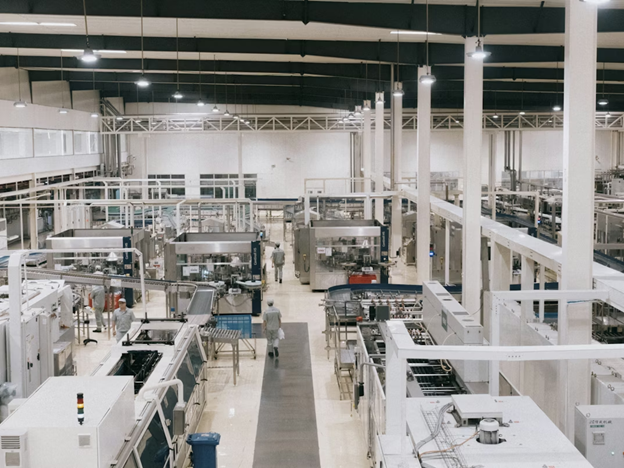
Why connection quality matters more than ever
Modern machines rely on accuracy and uninterrupted communication between parts, which means connection points are now one of the first places engineers examine when troubleshooting.
Components like M8 connectors play a crucial role in maintaining stable performance, especially in environments with vibration, moisture or shifting temperatures. A secure and durable connector helps reduce the risk of signal loss and unexpected failures, keeping equipment running the way it should.
Companies that prioritize dependable connectors often see fewer unplanned stops and spend less time addressing minor issues that gradually turn into bigger ones. High-quality components become an investment in consistency rather than an added cost.
Building reliability through intelligent systems
Connection solutions become even more powerful when combined with digital tools that give teams better visibility into equipment health. Many organizations are now using AI-powered management solutions to monitor the small signs of wear, environmental stress or signal disruption that typically go unnoticed until they cause downtime. These systems help spot patterns early and alert teams before problems escalate.
By pairing strong hardware with smart monitoring tools, businesses create a more stable ecosystem for their machines. This approach gives maintenance teams better information, fewer surprises and a clearer understanding of what’s happening across their equipment at all times.
Simplifying upkeep with smarter processes
Machine reliability improves significantly when maintenance routines are easier, faster and less reactive. Choosing durable connectors, routing cables more efficiently and reducing the total number of connection points help streamline day-to-day upkeep. When teams don’t have to work around fragile or complex components, they can focus on preventative tasks instead of constant fixes.
This shift supports a more proactive approach to maintenance. Businesses that combine strong components with smarter maintenance strategies usually find that downtime decreases, planning becomes easier and equipment remains in better condition for longer.
Creating a long-term reliability strategy
Improving machine reliability isn’t about one decision. It requires consistent choices that support stability, from the connectors on the factory floor to the systems analyzing performance in the background. Companies that look at reliability as part of a long-term plan often see stronger results across productivity, maintenance costs and operational efficiency.
Better connection solutions are a practical place to start, and when paired with modern tools and smart processes, they help create a stronger foundation for every part of the operation.
Reliable machines depend on thoughtful connection choices, modern monitoring tools and strong maintenance habits. When these elements work together, businesses gain stability, predictability and long-term performance across their entire operation.



























Share in the comments below: Questions go here

Ready to launch your dream business? Explore essential tips for finding the perfect opportunity that fuels your entrepreneurial ambitions.